







What's Happening?
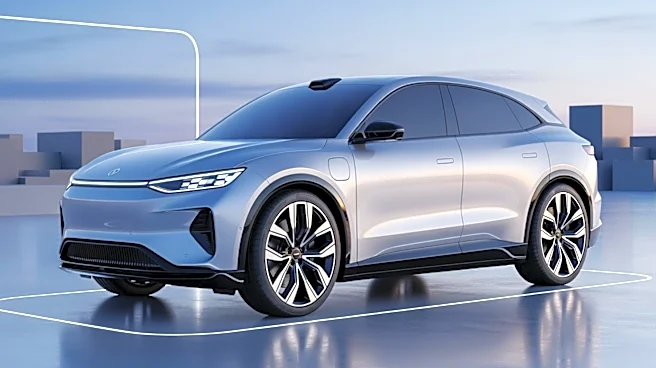
Stellantis has announced its FaSTLAne 2030 strategy, a €60 billion five-year plan aimed at accelerating growth and profitability. The plan includes over 60 new vehicle launches, with a focus on battery-electric vehicles (BEVs) and plug-in hybrids. Stellantis plans
to invest heavily in global platforms, AI-enabled technologies, and a multi-energy lineup. The strategy also involves reducing European manufacturing capacity by over 800,000 units and achieving an annual cost reduction target of €6 billion by 2028. The company aims to enhance its brand portfolio management, optimize its manufacturing footprint, and empower regional teams to tailor strategies to local markets.
Why It's Important?
This strategic plan is significant as it positions Stellantis to compete in the rapidly evolving automotive industry, particularly in the electric vehicle (EV) market. By focusing on BEVs and hybrids, Stellantis is aligning with global trends towards sustainable transportation. The investment in AI and technology platforms is expected to enhance vehicle performance and customer experience, potentially increasing market share. The plan's emphasis on cost reduction and manufacturing optimization could improve profitability and operational efficiency. This strategy may also influence other automakers to adopt similar approaches, impacting the broader automotive industry.
What's Next?
Stellantis will focus on executing its FaSTLAne 2030 plan, with key milestones including the launch of new vehicle models and the implementation of AI technologies by 2027. The company will also work on strengthening partnerships to enhance competitiveness and expand market reach. As the plan progresses, stakeholders will likely monitor Stellantis' ability to meet its cost reduction and capacity utilization targets. The success of this strategy could lead to increased investment in EVs and technology across the industry, potentially reshaping market dynamics.