



What's Happening?
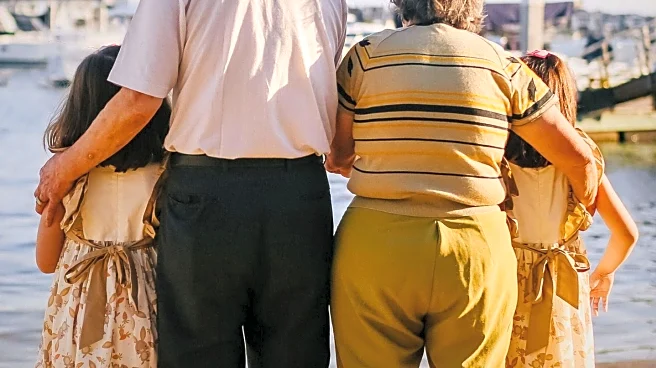
The phenomenon of 'helicopter grandparents' is becoming increasingly common as the helicopter parents of the 1990s and early 2000s transition into grandparent roles. These grandparents often become overly involved in their grandchildren's lives, sometimes crossing boundaries set by the parents. This dynamic can create tension within families, as highlighted by parenting coach Emily Greenberg and psychologist Kurt Ela. Greenberg notes that while support from grandparents is beneficial, excessive control can be exhausting for parents. Ela identifies three grandparenting styles: remote, companionate, and involved, with the latter sometimes leading to helicopter behavior due to anxiety about aging and relevance. The challenge lies in balancing involvement
with respect for parental boundaries.
Why It's Important?
The issue of helicopter grandparents is significant as it affects family dynamics and the well-being of all involved. For parents, managing overinvolvement from grandparents can be stressful, potentially leading to conflicts and strained relationships. For grandparents, the desire to remain relevant and involved can lead to anxiety and overstepping boundaries. This situation underscores the importance of clear communication and boundary-setting within families. It also highlights the evolving role of grandparents in modern society, where they are often expected to provide support without overstepping. Understanding and addressing these dynamics is crucial for maintaining healthy family relationships and ensuring that all generations benefit from the grandparent-grandchild bond.
What's Next?
Families dealing with helicopter grandparents may need to engage in open discussions to establish clear boundaries and expectations. Greenberg suggests using the 'HELP' acronym to guide these conversations, focusing on being helpful, addressing emotional needs, understanding loaded meanings, and setting parameters. Regular check-ins can help prevent misunderstandings and ensure that all parties are on the same page. As more families navigate this dynamic, there may be increased demand for resources and support systems to help manage these relationships effectively. Additionally, societal recognition of the unique challenges faced by modern grandparents could lead to more targeted advice and support from parenting experts and psychologists.