



What's Happening?
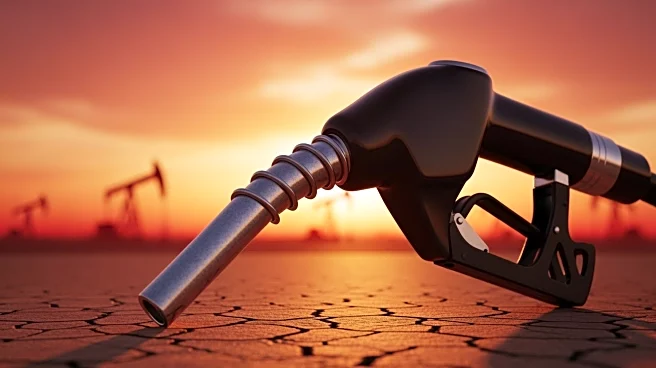
The average price of gasoline in the United States has reached $4 per gallon, marking the highest level since 2022. This increase is attributed to the ongoing conflict in the Middle East, which has caused a significant rise in oil prices. According to AAA,
gas prices have surged by approximately $1 per gallon over the past month. The escalation in prices is linked to the surge in US crude oil prices, which have increased by more than 50% in March, settling above $100 per barrel for the first time since July 2022. The conflict has raised fears of further escalation, particularly following comments by President Trump, which have contributed to the volatility in the oil market.
Why It's Important?
The rise in gas prices has significant implications for the US economy and consumers. Higher fuel costs can lead to increased transportation and production expenses, which may result in higher prices for goods and services. This can contribute to inflationary pressures, affecting household budgets and consumer spending. Additionally, the situation highlights the vulnerability of the US energy market to geopolitical events, emphasizing the need for energy diversification and stability. The increase in oil prices also impacts industries reliant on fuel, such as transportation and logistics, potentially leading to increased operational costs and reduced profit margins.
What's Next?
If the conflict in the Middle East continues or escalates, further increases in oil and gas prices are possible. This could prompt policymakers to consider measures to stabilize the energy market, such as releasing strategic petroleum reserves or encouraging alternative energy sources. Additionally, consumer behavior may shift towards more fuel-efficient vehicles or public transportation to mitigate the impact of rising fuel costs. The situation may also influence future energy policies and discussions on energy independence and security.