









What's Happening?
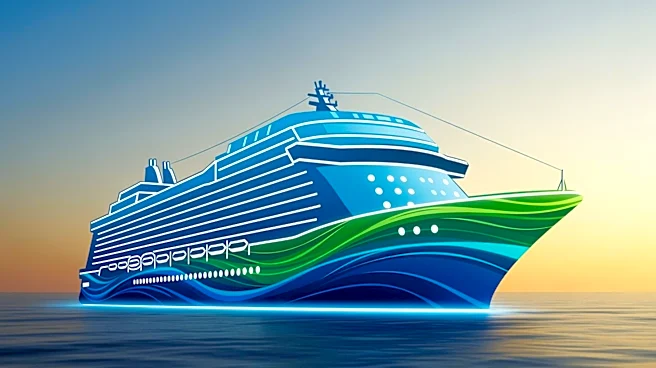
MSC Cruises has successfully met the International Maritime Organization's (IMO) 2030 carbon intensity target four years early. The target aims to reduce the carbon intensity of international shipping by at least 40% compared to a 2008 baseline. MSC Cruises achieved
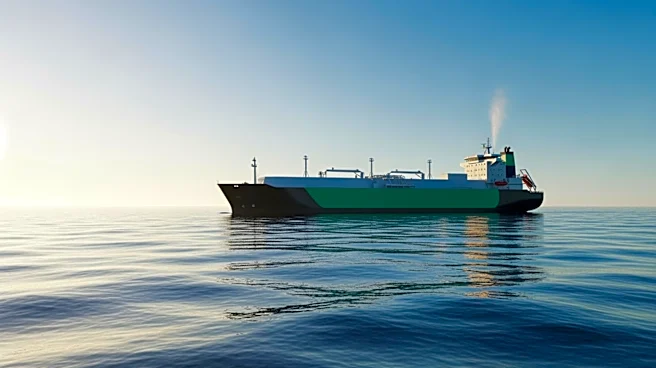
this milestone through a combination of fleet renewal and operational efficiency measures, which reduced emissions intensity per unit of transport work. In 2025, the company expanded its LNG dual-fuel fleet with the introduction of MSC World America, increased shore power use with 217 connections across its fleet, and utilized over 9,800 tonnes of renewable fuels. These efforts contributed to a reported reduction of 48,714 tonnes of CO2 equivalent emissions. Additionally, MSC Cruises expanded emissions measurement across its full value chain, aligning with emerging European reporting requirements such as the EU Corporate Sustainability Reporting Directive (CSRD). The company also implemented biodiversity measures, including whale strike mitigation and route adjustments in sensitive areas.
Why It's Important?
The early achievement of the IMO 2030 carbon intensity target by MSC Cruises is significant for the shipping industry, which is under increasing pressure to reduce its environmental impact. This accomplishment demonstrates the potential for substantial emissions reductions through strategic investments in technology and operational practices. It sets a precedent for other companies in the sector to follow suit, potentially accelerating the industry's overall progress towards decarbonization. The success of MSC Cruises also highlights the importance of regulatory frameworks and incentives in driving environmental improvements. As the shipping industry continues to face scrutiny over its carbon footprint, MSC Cruises' achievement may influence policy discussions and encourage further regulatory measures to support sustainable practices.
What's Next?
MSC Cruises remains committed to its long-term objective of achieving net-zero greenhouse gas emissions from marine operations by 2050. The company plans to continue investing in energy transition initiatives and strengthening relationships with communities. As the industry moves forward, other shipping companies may look to MSC Cruises as a model for achieving similar environmental goals. The broader shipping sector will likely continue to explore innovative solutions and collaborate with regulatory bodies to meet and exceed international climate targets. The success of MSC Cruises may also prompt increased investment in renewable energy sources and advanced technologies to further reduce emissions.