





What's Happening?
U.S. retailers are bracing for a challenging economic environment as the ongoing conflict in Iran continues to impact global markets. Rising gas prices and economic uncertainties are beginning to affect consumer spending patterns. Retailers such as Dollar
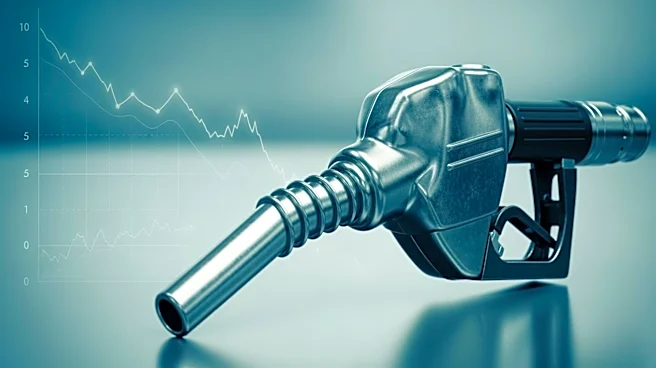
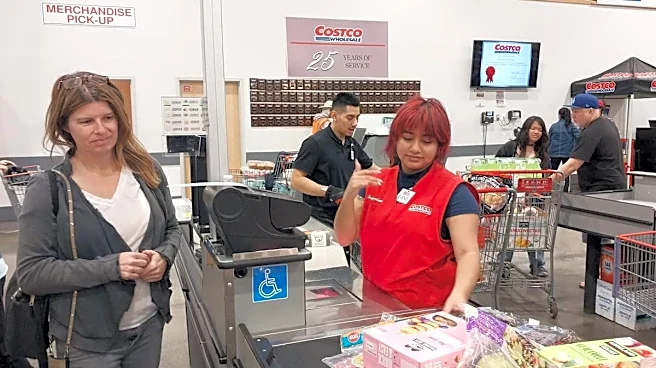
Tree, Walmart, and Gap have reported that while consumers are still spending, they are becoming more selective, focusing on essential purchases and value-driven items. The strain on retailers is becoming more apparent as the earnings season progresses, with lower-income customers cutting back on expenses, including food. Dollar stores are seeing an influx of higher-income shoppers who are trading down due to economic pressures. Consumer confidence in the U.S. has slightly decreased in May, influenced by inflation concerns linked to the Middle East conflict and higher fuel costs.
Why It's Important?
The current economic situation poses significant challenges for U.S. retailers, who typically rely on the second half of the year for a substantial portion of their annual revenue. The prolonged conflict in Iran and its impact on energy infrastructure and global supply chains could lead to sustained high prices, affecting consumer spending. The consumer discretionary sector, which includes non-essential goods and services, is projected to see a slowdown in earnings growth. This shift in consumer behavior could lead to a K-shaped recovery, where higher-income individuals continue to spend on luxury items, while lower-income households reduce their spending. Retailers must adapt to these changes to maintain profitability and market share.
What's Next?
Retailers will need to closely monitor gas prices and consumer spending trends as they prepare for the back-to-school and holiday shopping seasons. Companies may need to adjust their strategies to cater to changing consumer preferences, focusing on value and essential items. The potential for continued high prices and economic uncertainty could lead to further shifts in consumer behavior, impacting the retail landscape. Retailers may also explore ways to attract higher-income shoppers who are trading down, while supporting lower-income customers facing financial pressures.