

What's Happening?
The announcement of a new AI vulnerability scanner by Anthropic has led to a sharp decline in the stocks of major cybersecurity companies. The new tool, Claude Code Security, is designed to identify vulnerabilities in code and suggest patches, and is currently
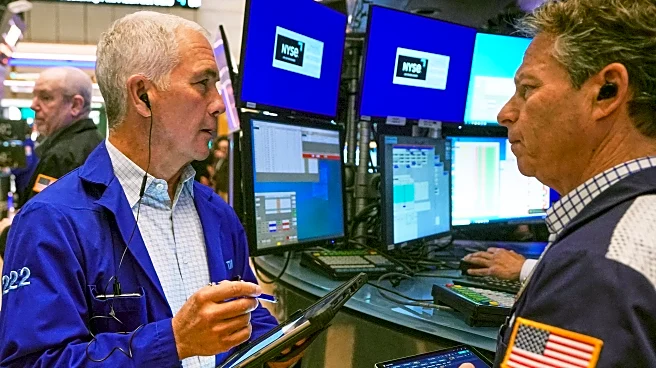
available in limited preview. This development has sparked fears that AI could replace existing cybersecurity solutions, causing significant market volatility. Companies like CrowdStrike, Cloudflare, and Palo Alto Networks saw their shares drop, with some experiencing declines of over 10%. Despite these concerns, industry leaders argue that AI is an ally in enhancing security rather than a threat to existing solutions.
Why It's Important?
The introduction of AI tools like Claude Code Security represents a significant shift in the cybersecurity landscape. While these tools offer the potential for more efficient vulnerability detection and remediation, they also challenge traditional cybersecurity models. The market's reaction underscores the uncertainty surrounding AI's role in the industry and its potential to disrupt established business models. This development highlights the need for cybersecurity firms to innovate and integrate AI into their offerings to remain competitive. It also raises questions about the future of cybersecurity jobs and the skills required to manage AI-driven solutions.
What's Next?
Cybersecurity companies are likely to focus on integrating AI into their existing solutions to enhance their capabilities and address market concerns. This may involve developing new AI-driven tools or partnering with AI firms to leverage their technology. The industry will also need to address the ethical and security implications of AI, ensuring that these tools are used responsibly and do not introduce new vulnerabilities. As AI continues to evolve, cybersecurity professionals will need to adapt to these changes, acquiring new skills and knowledge to effectively manage AI-driven security solutions.