




What's Happening?
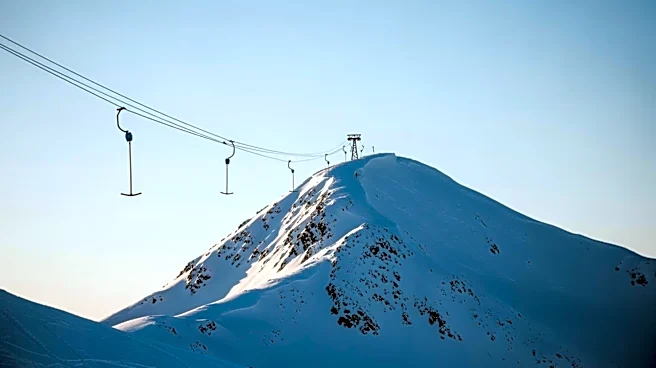
John LaConte, a Vail reporter, explored the history of ski resort monopolies in the U.S., focusing on a failed reform bill that could have prevented industry consolidation. The bill, initially proposed by Colorado Senator Floyd Haskell, aimed to regulate
ski resorts operating on national lands. However, it was derailed by political opposition and later resurrected in a deregulated form by Wyoming Senator Malcolm Wallop. Today, major companies like Vail Resorts and Alterra Mountain Company dominate the industry, controlling most ski lifts and impacting local economies and environments.
Why It's Important?
The monopolization of ski resorts has significant implications for pricing, environmental stewardship, and labor practices. With major companies controlling access to national forests, there are concerns about price fixing and reduced consumer choice. The environmental impact of expanding resorts and the potential for labor exploitation are critical issues. The story highlights the need for regulatory oversight to balance corporate interests with community and environmental well-being, reflecting broader challenges in managing public lands and resources.
Beyond the Headlines
The rise of ski resort monopolies has sparked a counter movement among smaller, independent resorts. These entities are collaborating to offer competitive alternatives like the Indy Pass, promoting diversity and affordability in the industry. This grassroots effort underscores the resilience of local businesses and the importance of preserving diverse recreational opportunities. The situation also raises questions about the role of public lands in supporting equitable access to outdoor activities.