
What's Happening?
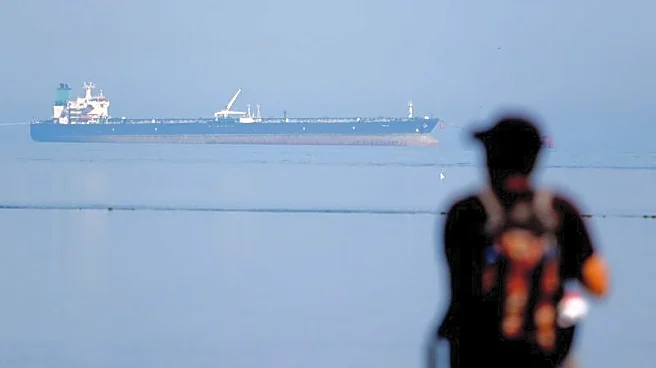
Louisiana has become a central hub for U.S. LNG exports, which have surged from 0.5 Bcf/d in 2016 to approximately 15 Bcf/d in 2025. This growth positions the U.S. as the world's largest LNG exporter,
with Louisiana handling over 60% of shipments. The resurgence is driven by Europe's need for reliable gas supply post-Russia-Ukraine conflict, Asia's demand growth, and Middle East instability affecting LNG flows. New projects, such as Venture Global's Plaquemines LNG facility and Woodside's $17.5 billion project, are expanding capacity, signaling long-term confidence in LNG as a core pillar of the global energy system.
Why It's Important?
Louisiana's role in LNG exports is crucial for global energy security, providing a flexible and scalable energy supply capable of responding to market disruptions. The state's infrastructure investments and long-term offtake agreements highlight LNG's transition from a bridge fuel to a strategic commodity. This shift impacts energy security, geopolitics, and long-term demand, with implications for U.S. economic growth and international relations. The expansion of LNG capacity could influence global pricing, energy flows, and security decisions, positioning Louisiana as an indispensable player in the energy sector.
Beyond the Headlines
The environmental impact of increased LNG exports is a concern, with scrutiny over emissions and local effects. Rising exports may also affect domestic energy costs, potentially pushing U.S. natural gas prices higher. Despite these challenges, Louisiana's LNG infrastructure continues to grow, reflecting its strategic importance in the global energy landscape. The state's ability to absorb market shocks and provide real-time energy supply underscores its pivotal role in shaping future energy security and geopolitical dynamics.