





What's Happening?
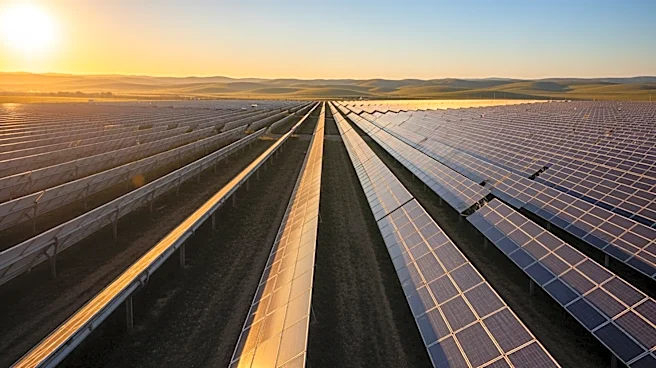
Earth.org has published an article debunking several myths surrounding clean energy, emphasizing the economic and environmental advantages of renewable sources like wind and solar power. The article addresses common misconceptions, such as the belief
that renewable energy is too costly, unreliable, and environmentally damaging. It cites data from the International Renewable Energy Agency (IRENA) and other sources to demonstrate that renewable energy projects are now more cost-effective than fossil fuels. Additionally, advancements in energy storage technology have improved the reliability of renewables. The article also highlights the job creation potential of the clean energy sector, noting that clean energy jobs are growing faster than the overall workforce in the United States.
Why It's Important?
The debunking of myths about clean energy is crucial as it influences public perception and policy decisions regarding the transition to renewable energy sources. By providing factual information, Earth.org aims to counteract misinformation that can hinder the adoption of clean energy technologies. The economic implications are significant, as the shift to renewables is projected to save billions in global fuel expenditures and create millions of jobs. This transition is also vital for reducing carbon emissions and combating climate change, aligning with international climate goals. The article underscores the importance of informed decision-making in energy policy to ensure a sustainable and economically viable future.
What's Next?
As the clean energy sector continues to grow, further advancements in technology and policy support are expected to accelerate the transition from fossil fuels. The U.S. Energy Information Administration projects substantial increases in utility-scale storage capacity, which will enhance the reliability of renewable energy. Policymakers and industry leaders may focus on addressing the challenges faced by workers in traditional energy sectors, ensuring a just transition to new employment opportunities in clean energy. Continued public education and advocacy will be essential to overcoming resistance and misinformation, paving the way for broader acceptance and implementation of renewable energy solutions.
Beyond the Headlines
The shift towards renewable energy has broader implications beyond economic and environmental benefits. It represents a cultural and ethical shift towards sustainability and responsibility in energy consumption. The transition challenges entrenched interests in the fossil fuel industry and requires a reevaluation of energy policies and infrastructure. As renewable energy becomes more prevalent, it may also influence geopolitical dynamics, reducing dependency on fossil fuel-rich regions and promoting energy independence. The ongoing dialogue around clean energy highlights the need for transparency and accountability in addressing climate change and fostering innovation.