

What's Happening?
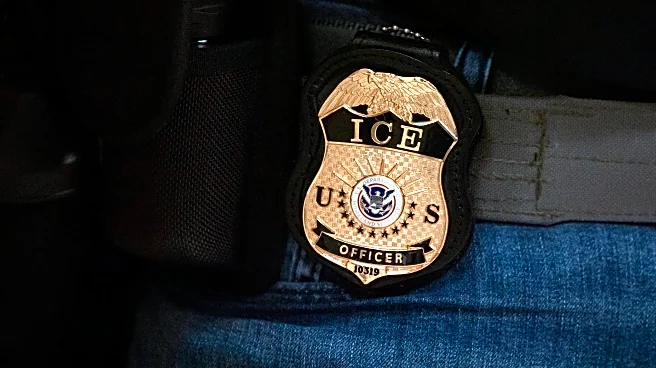
Vinod Khosla, founder of Khosla Ventures, has publicly disavowed comments made by his partner, Keith Rabois, regarding a recent incident involving a federal border patrol agent. The agent shot an American citizen, Alex Pretti, in Minneapolis, sparking national outrage. Rabois, a known Trump loyalist, supported the agent's actions, claiming Pretti was committing a felony. His comments on social media platform X included statements that no law enforcement has shot an innocent person and that illegal immigrants commit violent crimes daily. Rabois also criticized the Minneapolis police, suggesting they were not credible sources for an investigation. In response, Khosla Ventures partner Ethan Choi and Vinod Khosla distanced themselves from Rabois'
views, with Khosla condemning the actions as wrong and labeling ICE agents as 'macho vigilantes.'
Why It's Important?
The incident highlights the deep divisions within the U.S. regarding immigration enforcement and law enforcement accountability. Rabois' comments reflect a segment of public opinion that supports strict immigration policies and law enforcement actions, while the backlash from Khosla and Choi underscores a contrasting view that prioritizes human rights and accountability. This division is significant as it influences public discourse and policy-making, particularly in the tech industry where venture capitalists like Rabois hold substantial influence. The incident also raises questions about the role of venture capital firms in political and social issues, as their partners' public statements can impact their reputation and relationships with startups and investors.
What's Next?
The public disavowal by Khosla and Choi may lead to further scrutiny of Khosla Ventures and its partners' political stances. It could also prompt discussions within the venture capital community about the impact of political views on business operations and partnerships. Additionally, the incident may influence ongoing debates about immigration policy and law enforcement practices in the U.S., potentially affecting future legislation and public opinion.