

What's Happening?
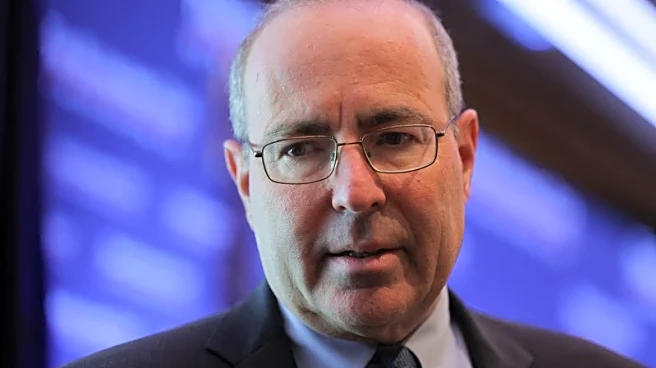
Federal Reserve Chair Jerome Powell is set to address an introductory macroeconomics class at Harvard University, where his remarks are anticipated to address the complex issue of managing inflation and economic growth simultaneously. The ongoing war
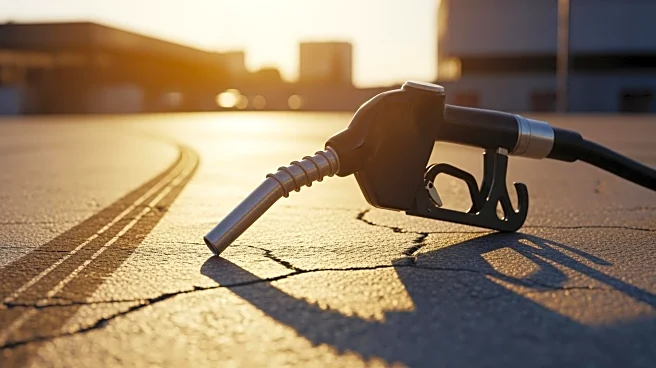
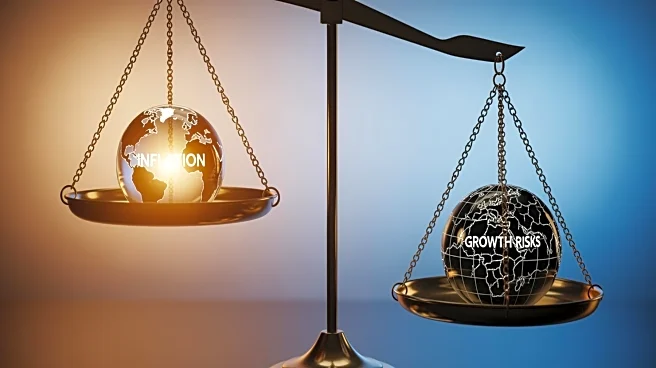
in Iran has led to a significant rise in U.S. gasoline prices, now around $4 a gallon, contributing to inflationary pressures. The Federal Reserve recently decided to maintain short-term interest rates within the 3.50%-3.75% range. However, the central bank is now confronted with the challenge of balancing inflation control with economic growth. Investors' concerns about inflation have already led to increased Treasury yields, and a University of Michigan survey indicates rising household price expectations. The Federal Reserve is caught in a difficult position, as raising rates could slow the economy and harm employment, while keeping rates steady might allow inflation to escalate further.
Why It's Important?
The Federal Reserve's decision-making in this scenario is crucial for the U.S. economy. The central bank's actions will impact inflation control, economic growth, and employment levels. If the Fed opts to raise interest rates to curb inflation, it risks slowing down economic growth and increasing unemployment. Conversely, maintaining or lowering rates could lead to unchecked inflation, affecting consumer behavior and business decisions. The situation is further complicated by the ongoing Iran war, which has disrupted oil supplies and contributed to rising prices. The Fed's response will be closely watched by financial markets, businesses, and consumers, as it will influence economic stability and growth prospects in the U.S.
What's Next?
Federal Reserve Chair Jerome Powell's upcoming speech at Harvard may provide insights into the central bank's future policy direction. The Fed is expected to closely monitor economic data and inflation trends before making any decisions. Financial markets are currently pricing in a possibility of a rate hike by the end of the year, reflecting concerns about rising inflation. The Fed's approach will likely depend on the balance between inflationary pressures and economic growth indicators. Stakeholders, including businesses and policymakers, will be keenly observing the Fed's actions to gauge the potential impact on the economy.