
What's Happening?
L'Oréal CEO Nicolas Hieronimus has addressed the impact of the Middle East conflict on the company's operations. Despite geopolitical uncertainties, L'Oréal remains optimistic about the global beauty market.
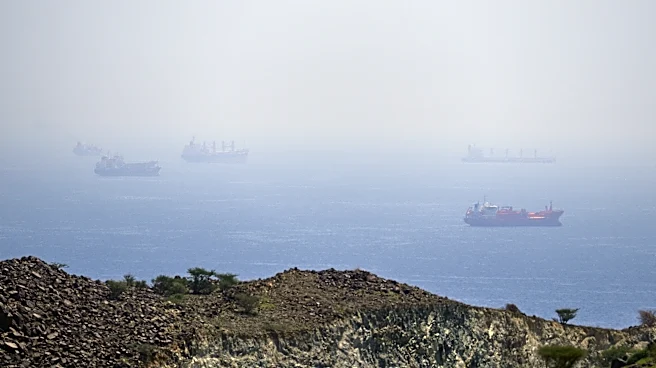
The conflict's direct impact on L'Oréal's business in the region is currently manageable, but prolonged instability could affect pricing, sourcing, and logistics. The SAPMENA region, which includes the Middle East, was L'Oréal's fastest-growing market in Q1, though it represents a small portion of overall sales. The company is monitoring the situation closely and preparing for potential long-term effects.
Why It's Important?
The Middle East conflict poses significant challenges for global businesses, particularly those with operations in the region. For L'Oréal, the conflict could disrupt supply chains and affect consumer behavior, impacting sales and profitability. The company's response highlights the importance of strategic planning and adaptability in managing geopolitical risks. This situation underscores the interconnectedness of global markets and the need for businesses to be prepared for external shocks. The beauty industry, like many others, must navigate these challenges while maintaining growth and stability.
What's Next?
L'Oréal will continue to monitor the conflict's developments and adjust its strategies accordingly. The company may explore alternative supply routes and cost management measures to mitigate potential disruptions. The resolution of the conflict will be crucial in determining the long-term impact on L'Oréal's operations and the broader beauty industry. Stakeholders will be watching closely to see how the company navigates these challenges and maintains its market position.