




What's Happening?
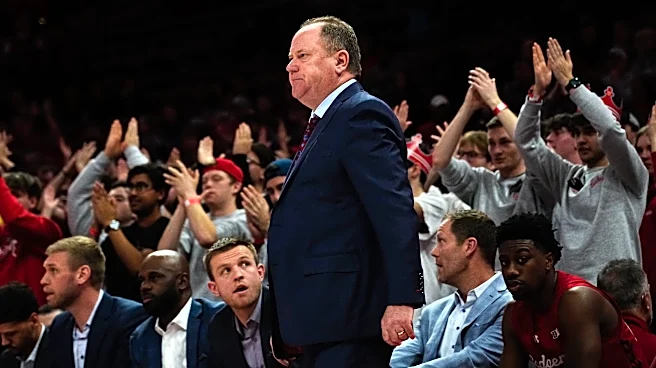
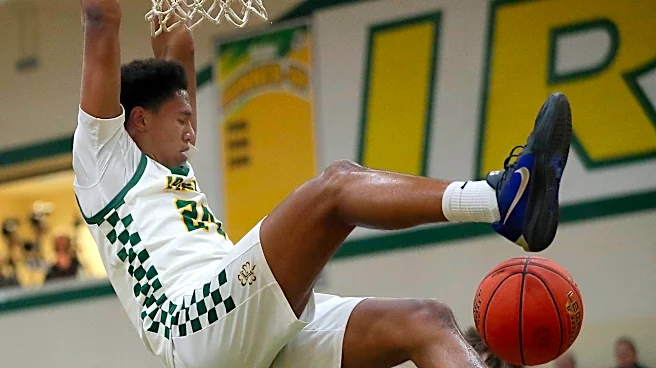
The Wisconsin Badgers basketball team is under scrutiny from its fanbase due to head coach Greg Gard's perceived inability to recruit top in-state talent. This criticism intensified after Donovan Davis, a highly ranked recruit from Wisconsin, chose to commit
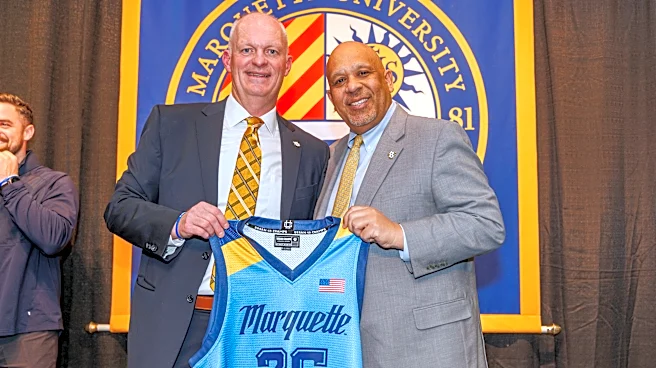
to Iowa State over Wisconsin and other local programs. Since Gard's tenure began, the Badgers have struggled to attract top-100 national recruits, with only one such recruit, Nate Reuvers, joining the team. The team's performance has also been a point of contention, as they have not reached the Sweet 16 since the 2016-17 season. In contrast, Iowa State, under head coach T.J. Otzelberger, has made multiple Sweet 16 appearances and is considered a stronger program currently. Additionally, Marquette, another local program, has not signed a Wisconsin high school recruit since 2022.
Why It's Important?
The recruitment challenges faced by the Wisconsin Badgers highlight broader issues within college basketball, such as the impact of NIL (Name, Image, Likeness) deals and the competitive nature of recruiting top talent. The inability to secure top recruits could affect the team's future performance and standing in the NCAA. This situation underscores the importance of adapting to new dynamics in college sports, where financial incentives and program prestige play significant roles in attracting talent. The Badgers' struggles could lead to a reevaluation of their recruitment strategies and NIL offerings to remain competitive.
What's Next?
The Wisconsin Badgers may need to reassess their recruitment strategies and enhance their NIL offerings to attract top talent. This could involve increasing their NIL budget to compete with other programs that offer lucrative deals to recruits. Additionally, the team might focus on building a stronger program reputation to appeal to high-ranking players. The outcome of these efforts will be crucial in determining the team's ability to compete at a higher level in future NCAA tournaments.
Beyond the Headlines
The situation with the Wisconsin Badgers reflects a broader trend in college sports where financial incentives and program success heavily influence recruitment decisions. This shift could lead to increased disparities between programs with substantial financial backing and those without. It also raises questions about the role of loyalty and tradition in college sports, as players increasingly prioritize financial and career opportunities over staying with local or historically significant programs.