


What's Happening?
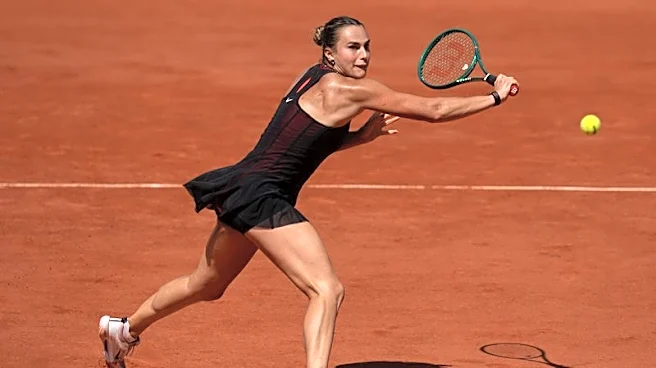
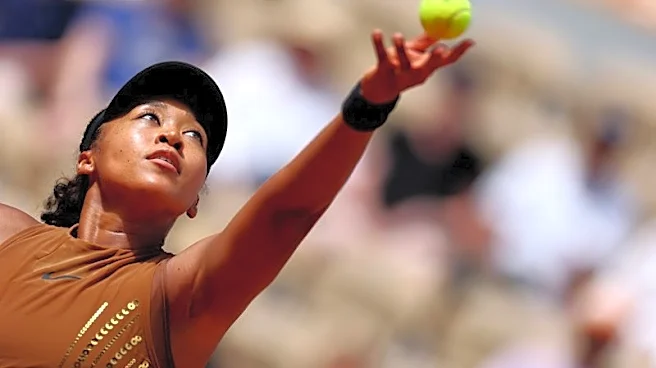
The French Open is set to feature a women's match in its night session for the first time in three years. The match, scheduled for Monday, will see world No. 1 Aryna Sabalenka face off against Naomi Osaka in a fourth-round encounter. This decision marks
a significant shift as the night sessions have predominantly featured men's singles matches since their introduction in 2021. Out of the first 60 night matches, only four have been women's singles, with none occurring since 2023. Tournament director Amelie Mauresmo has faced criticism for this gender disparity, often citing the value for ticket holders and the shorter duration of women's matches, which are best-of-three sets, as reasons for the preference. The new WTA chair, Valerie Camillo, has met with Mauresmo to advocate for greater representation of women's matches in these prime-time slots.
Why It's Important?
This development is significant as it addresses ongoing concerns about gender equality in sports, particularly in tennis. The decision to feature a women's match in the night session could set a precedent for future tournaments, potentially leading to more balanced scheduling. This change could enhance visibility and recognition for female athletes, contributing to a broader movement towards gender parity in sports. The inclusion of high-profile players like Osaka and Sabalenka in a prime-time slot may also attract more viewers and sponsors, benefiting the sport economically and culturally. The move aligns with calls from stakeholders, including the WTA, for more equitable treatment of women's sports.
What's Next?
The outcome of this match and its reception by audiences and stakeholders could influence future scheduling decisions at the French Open and other major tournaments. If successful, it may encourage tournament organizers to continue integrating women's matches into prime-time slots, promoting gender equality in tennis. Stakeholders, including players, sponsors, and fans, will likely monitor the impact of this decision closely. The WTA and other advocacy groups may use this as a case study to push for similar changes in other sports and events, furthering the conversation on gender equality in athletics.