


What's Happening?
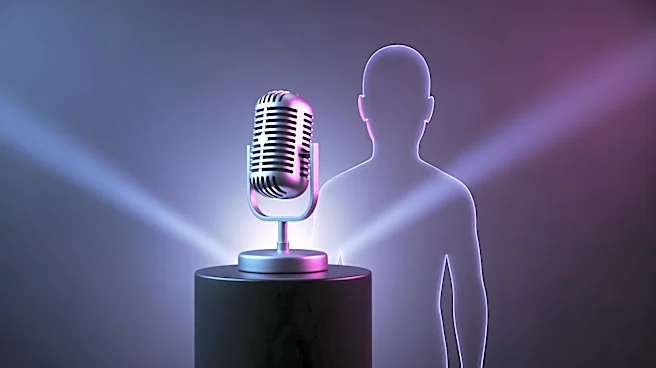
Taylor Swift has filed three trademark applications in the United States to protect her voice and image from potential misuse by artificial intelligence. The applications include a photo of Swift on stage during her Eras Tour and two audio clips of her introducing
herself. This move follows similar actions by actor Matthew McConaughey, who also sought to protect his voice and image from AI-generated content. The trademarks aim to prevent unauthorized use of Swift's likeness and voice, which have been subject to AI-generated imitations, including explicit images and fake endorsements.
Why It's Important?
The trademark applications by Taylor Swift highlight the growing concern among celebrities about the misuse of their likenesses and voices through AI technologies. As AI becomes more sophisticated, it can create realistic imitations that could potentially harm a celebrity's brand and reputation. By securing trademarks, Swift aims to establish legal grounds to challenge unauthorized reproductions and imitations. This move could set a precedent for other artists and public figures seeking to protect their identities in an increasingly digital world, where AI-generated content is becoming more prevalent.
What's Next?
If the trademark applications are approved, Taylor Swift will have a stronger legal basis to combat unauthorized AI-generated content that uses her voice or image. This could lead to more celebrities following suit, seeking similar protections. The legal landscape may evolve as courts address the novel issue of trademarking a celebrity's voice, which has not been extensively tested. The outcome of Swift's applications could influence future legal strategies for protecting personal likenesses in the digital age.