






What's Happening?
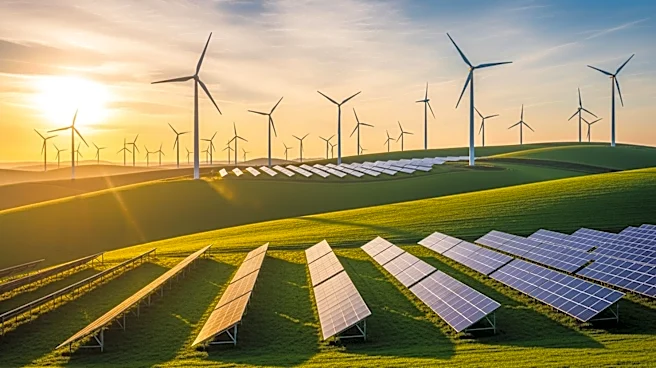
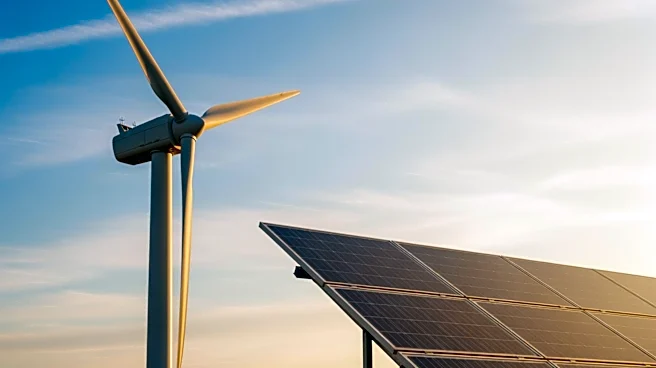
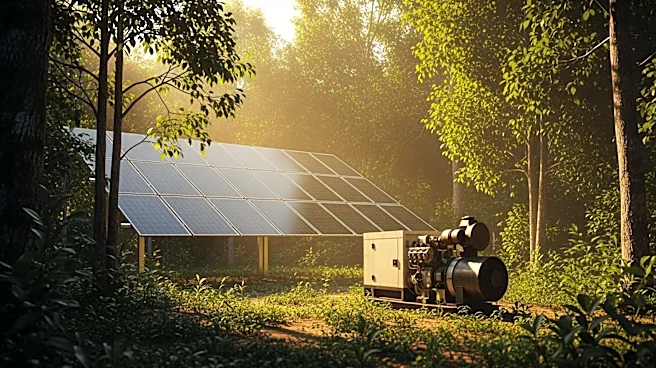
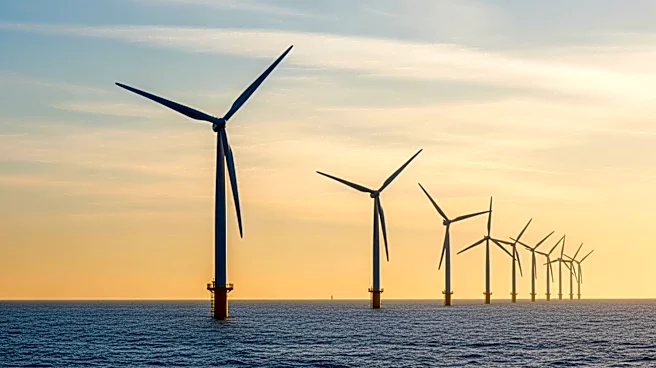
The United States has achieved a significant milestone in clean energy, with renewable sources like solar and wind generating more electricity than natural gas for the first time in March. According to CleanTechnica, this shift marks a pivotal moment
in the country's energy landscape, driven by increased investments in solar, wind, and battery technologies. The transition is part of a broader effort to reduce reliance on fossil fuels and address climate change. Despite political challenges, the clean energy sector continues to grow, with 93% of new electricity capacity in 2026 expected to come from renewable sources.
Why It's Important?
This development is crucial for the U.S. energy sector as it signifies a move towards a more sustainable and environmentally friendly energy mix. The increased use of renewables helps reduce greenhouse gas emissions, contributing to global efforts to combat climate change. It also enhances energy security by diversifying energy sources and reducing dependence on fossil fuels. The economic implications are significant, as the renewable energy sector creates jobs and drives innovation. This shift also positions the U.S. as a leader in clean energy, potentially influencing global energy policies and markets.
What's Next?
The continued expansion of renewable energy in the U.S. is expected to drive further investments and technological advancements. Policymakers and industry leaders will likely focus on overcoming regulatory and infrastructure challenges to support this growth. The transition may also prompt discussions on energy policy reforms to facilitate the integration of renewables into the national grid. As the clean energy sector evolves, stakeholders will need to address issues such as energy storage, grid reliability, and equitable access to clean energy solutions. The ongoing shift towards renewables is poised to shape the future of the U.S. energy landscape.