


What's Happening?
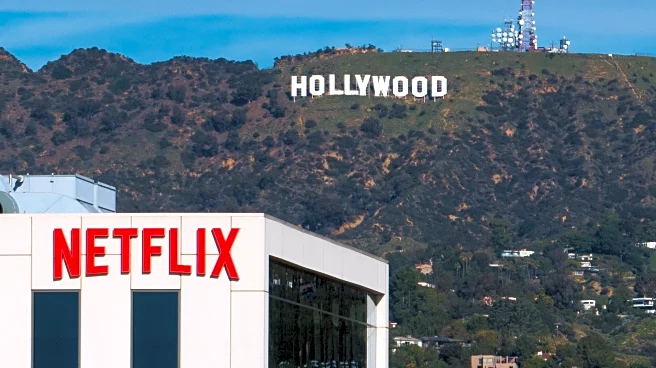
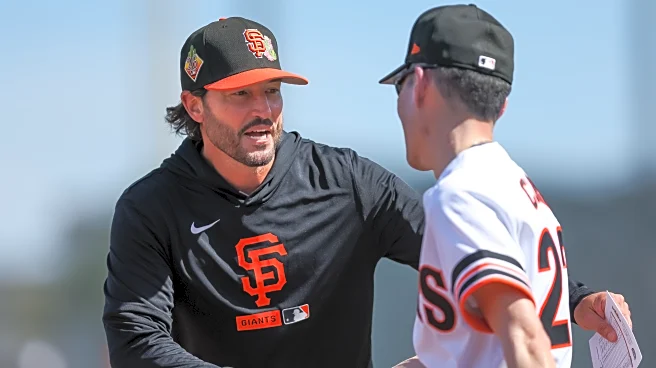
The 2026 Major League Baseball (MLB) season is set to begin with a notable change in broadcasting as the New York Yankees face the San Francisco Giants in a three-game series. This series marks the first time an MLB game will be streamed on Netflix, with the opening
game scheduled for March 25, 2026, at Oracle Park in San Francisco. Max Fried will pitch for the Yankees, while Logan Webb will start for the Giants. The subsequent games in the series will be broadcast on more traditional platforms, with Game 2 airing on NBC and MLB.TV, and Game 3 on Fox. This shift to streaming platforms like Netflix, along with other services such as Peacock and Apple TV, reflects a broader trend in sports broadcasting, aiming to reach a wider audience through digital means.
Why It's Important?
The decision to stream MLB games on platforms like Netflix signifies a significant shift in how sports content is consumed, potentially reaching a younger, tech-savvy audience that prefers streaming over traditional cable. This move could influence other sports leagues to explore similar partnerships, thereby altering the landscape of sports broadcasting. For MLB, this strategy may help increase viewership and engagement, particularly among demographics that are less likely to subscribe to cable services. Additionally, it could open new revenue streams through partnerships with streaming giants, which are increasingly investing in live sports content to attract and retain subscribers.
What's Next?
As MLB embraces streaming, other sports leagues may follow suit, leading to more games being available on digital platforms. This could prompt traditional broadcasters to innovate and adapt to maintain their audience share. For MLB, the success of this streaming experiment could lead to more games being offered on platforms like Netflix, potentially changing the way sports rights are negotiated and sold. Fans can expect more flexible viewing options, but this shift may also lead to fragmentation, where fans need multiple subscriptions to access all games. Stakeholders, including teams and advertisers, will be closely monitoring the impact of this change on viewership and fan engagement.