





What's Happening?
The 2026 FIFA World Cup is set to commence on June 11, marking the largest tournament in the event's history with 48 teams competing across 12 groups. The tournament will be hosted in 11 U.S. cities, alongside venues in Mexico and Canada. This expansion
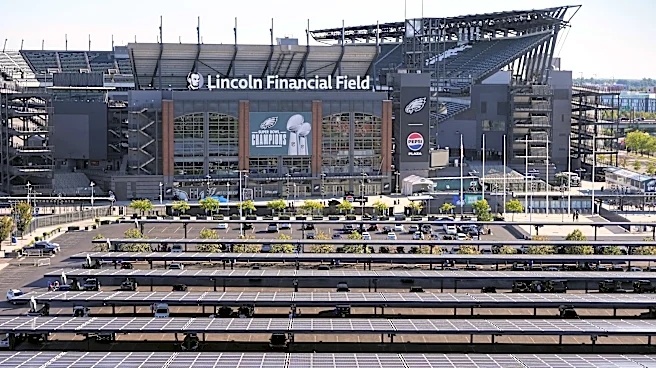
reflects FIFA's efforts to increase global participation and viewership. The U.S. will host matches in cities such as Arlington, Seattle, and Atlanta, among others. The tournament will feature a series of matches leading up to the final, which will be held at MetLife Stadium in East Rutherford, New Jersey.
Why It's Important?
The expansion of the FIFA World Cup to 48 teams and its hosting across North America is significant for several reasons. Economically, it is expected to boost tourism and local economies in host cities through increased hotel bookings, restaurant visits, and other spending by visitors. Politically, it strengthens North America's position as a key player in international sports. For the U.S., hosting the World Cup provides an opportunity to showcase its infrastructure and hospitality on a global stage, potentially influencing future bids for international events.
What's Next?
As the tournament approaches, preparations in host cities will intensify, focusing on logistics, security, and infrastructure improvements. Stakeholders, including local governments and businesses, will likely ramp up marketing efforts to attract international visitors. The tournament's success could influence future decisions by FIFA regarding tournament formats and host selections, potentially setting a precedent for larger tournaments in the future.