
What's Happening?
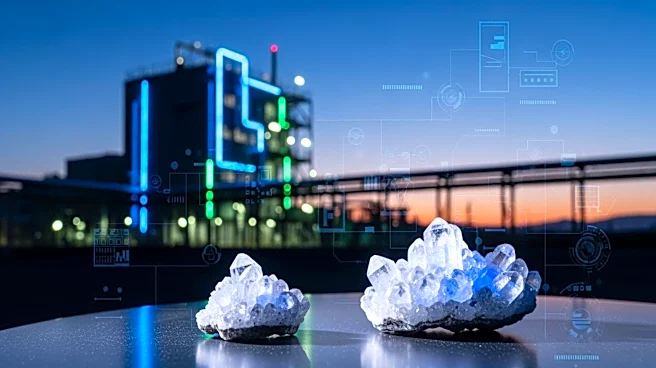
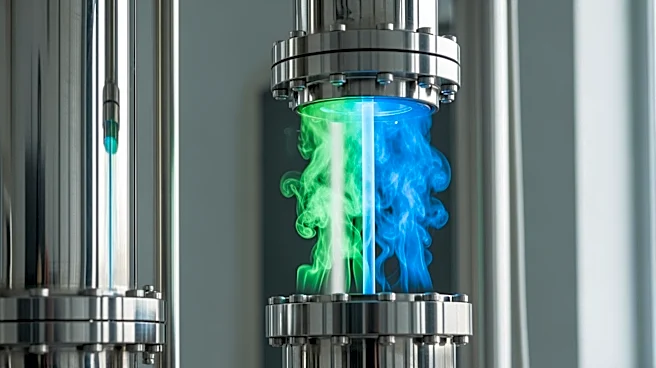
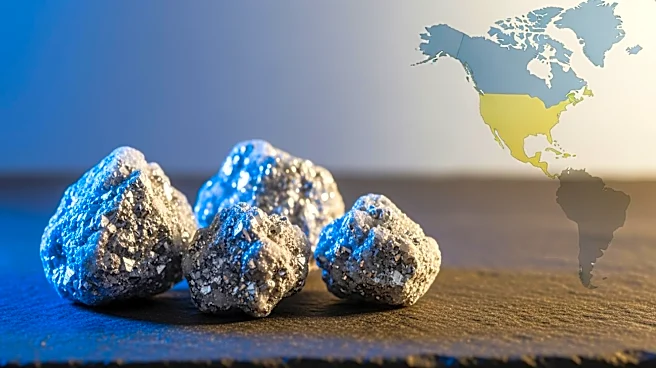
EnergyX has inaugurated Project Lonestar, the first direct lithium extraction plant in Texas, aiming to reshape the U.S. lithium refining landscape. The facility is designed to produce battery-grade lithium domestically, addressing the current reliance
on foreign lithium chemical conversion capacity. Situated within the Smackover formation, a lithium-rich brine resource, the plant has an annual production capacity of approximately 250 metric tons of lithium carbonate equivalent. This initiative aligns with U.S. policy goals to secure domestic supply chains for critical minerals, potentially supporting energy security and defense readiness. The project is seen as a critical step between pilot testing and full commercial deployment, optimizing system design and validating process economics.
Why It's Important?
The launch of Project Lonestar is significant as it addresses the U.S.'s dependency on foreign lithium processing, which is crucial for the growing demand in electric vehicle batteries and grid-scale energy storage. By establishing a domestic refining pathway, EnergyX aims to enhance energy security and reduce supply chain bottlenecks. This development could influence the global lithium supply chain, providing the U.S. with a competitive edge in the critical minerals market. The facility's success could lead to further investments in domestic lithium extraction technologies, fostering innovation and economic growth in the sector.
What's Next?
EnergyX plans to scale the facility's operations, potentially increasing its production capacity and further validating its lithium extraction technologies. The company may seek partnerships with battery manufacturers and other stakeholders to expand its market reach. Additionally, the success of Project Lonestar could prompt other companies to invest in similar domestic lithium extraction projects, contributing to a more robust U.S. supply chain for critical minerals.
Beyond the Headlines
The establishment of Project Lonestar may have broader implications for environmental sustainability and regulatory frameworks. As the U.S. increases its domestic lithium production, there could be a push for more stringent environmental standards and sustainable practices in the extraction process. This development might also influence global trade dynamics, as countries reassess their reliance on foreign lithium sources and explore domestic alternatives.