

What's Happening?
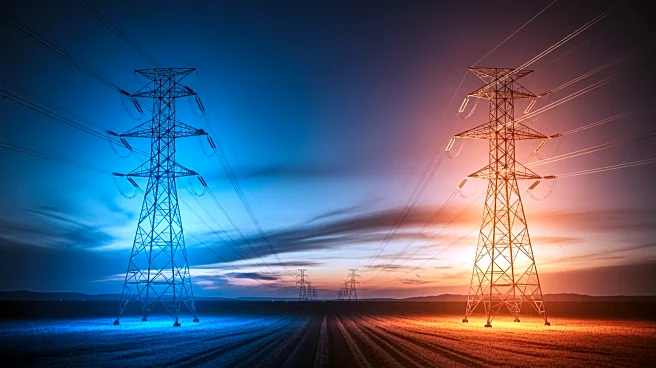
The U.S. power grid, largely built in the 1960s and 1970s, faces obsolescence due to aging infrastructure and rising demands from digital and electrified systems. Analysts estimate that upgrading the grid could cost over $2.5 trillion by 2035. In response,
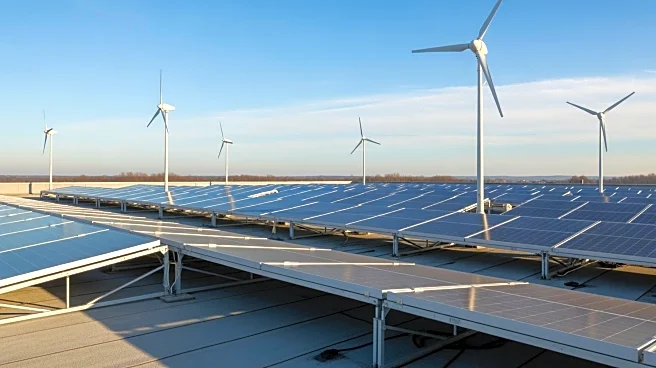
virtual power plants (VPPs) are emerging as a more affordable alternative. Coordinated through distributed energy resource management systems (DERMS), VPPs manage smaller, behind-the-meter assets like rooftop solar and home batteries to shift electricity demand in real time. This approach is significantly cheaper than constructing new power plants, costing only 40% to 60% of a comparable facility. VPPs offer utilities a proactive model to manage demand, potentially reducing costs and improving grid reliability.
Why It's Important?
The adoption of VPPs could significantly impact the U.S. energy sector by providing a cost-effective means to modernize the grid. This approach not only addresses capacity shortfalls but also aligns with the increasing electrification of various sectors, including transportation and manufacturing. By leveraging existing infrastructure and digital coordination, VPPs can enhance grid stability and reduce reliance on traditional, costly infrastructure projects. This shift could lead to substantial savings for utilities and consumers, while also supporting the transition to more sustainable energy sources.
What's Next?
As the U.S. continues to face energy challenges, the integration of VPPs could become a critical component of national energy policy. Policymakers may need to consider incentives and regulatory frameworks to support the deployment of these systems. Additionally, expanding broadband access will be essential to enable widespread participation in demand flexibility programs, particularly in rural areas. The success of VPPs will depend on customer engagement, transparency, and the ability to integrate these systems into existing energy markets.