


What's Happening?
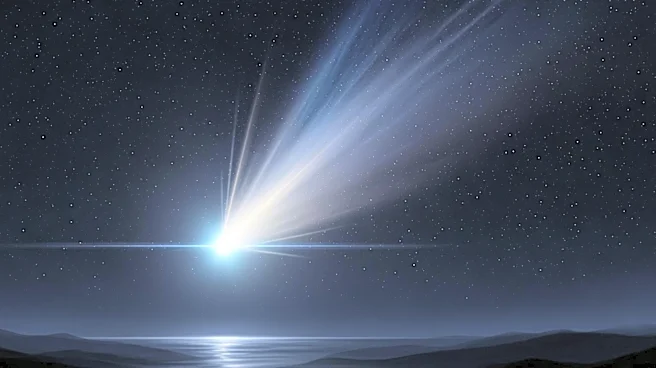
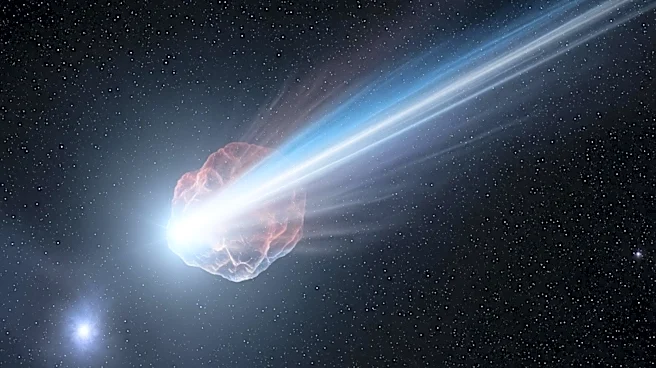
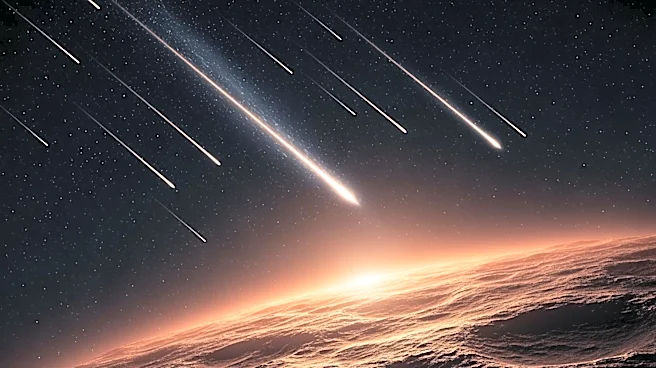
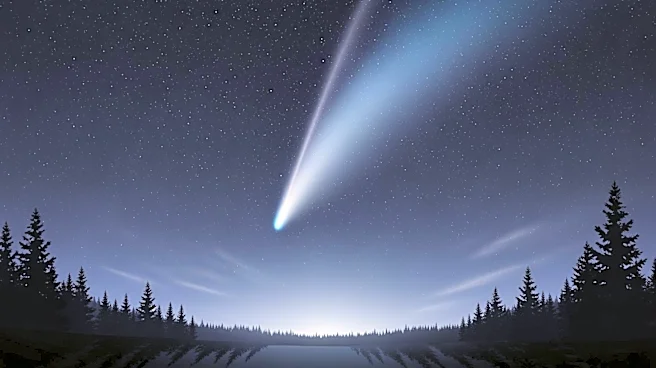
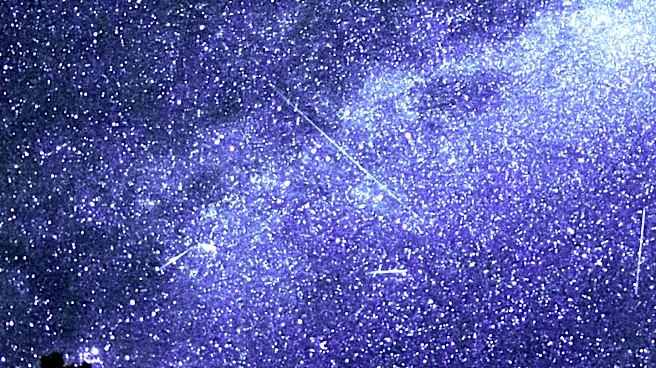
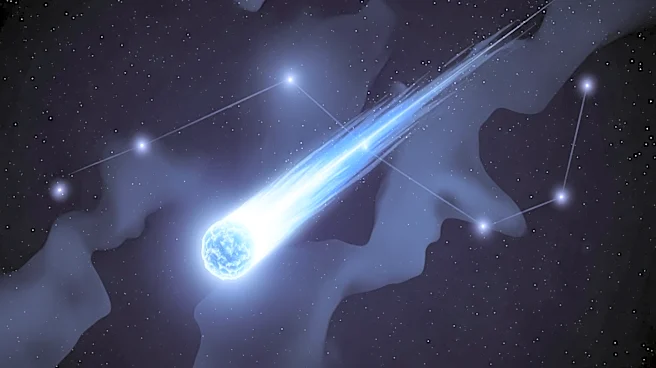
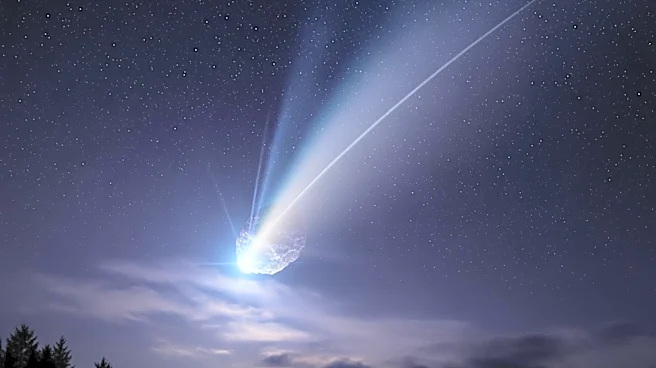
The annual Lyrid meteor shower is set to occur between April 16 and 25, offering skywatchers a chance to witness brilliant streaks of light. Originating from Comet Thatcher, the meteors will appear to radiate from the constellation Lyra, near the star
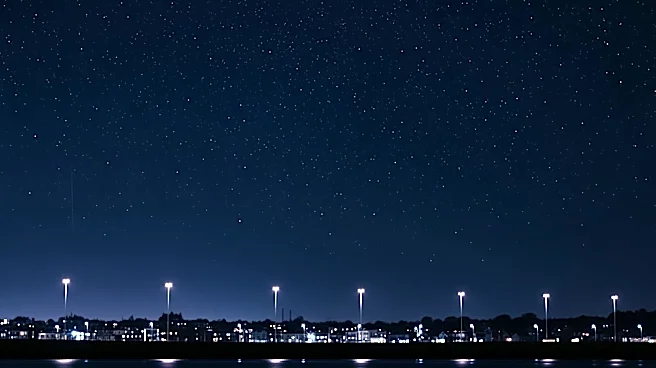
Vega. The shower typically produces 10 to 20 meteors per hour, with potential for an 'outburst' of up to 100 meteors per hour. To best view the Lyrids, observers should find a dark location away from light pollution and allow their eyes to adjust for about 30 minutes. The peak viewing time is in the early hours of April 22.
Why It's Important?
Meteor showers like the Lyrids offer a unique opportunity for public engagement with astronomy and science. They encourage people to explore the night sky and learn about celestial events, fostering interest in space and science education. The Lyrids, being one of the oldest recorded meteor showers, also provide a historical connection to astronomical observations. Such events can inspire future generations to pursue careers in science and technology, contributing to advancements in space exploration and research.