





What's Happening?
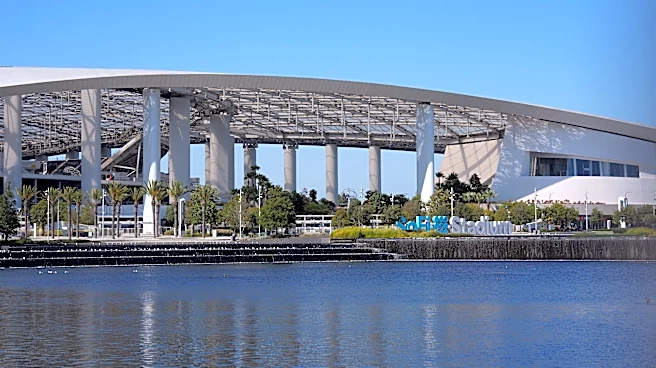
Hospitality workers at Los Angeles' Sofi Stadium have voted to authorize a strike, demanding better pay, job protections from artificial intelligence, and assurances against immigration enforcement at their workplace. This decision comes just days before
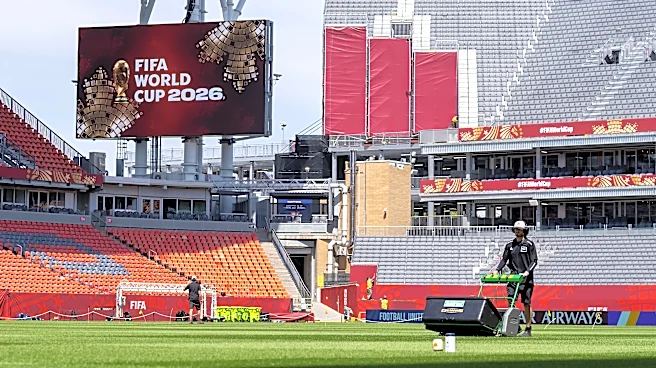
the commencement of the FIFA World Cup, which is set to host its first matches at the stadium. The workers' union is pushing for negotiations to address these concerns, emphasizing the need for fair compensation and job security in light of technological advancements and immigration policies. The strike authorization reflects growing tensions between labor demands and event preparations, as the World Cup is expected to draw significant international attention and economic activity to the area.
Why It's Important?
The potential strike by Sofi Stadium workers could have significant implications for the FIFA World Cup events scheduled in Los Angeles. A disruption in hospitality services could affect the experience of attendees and the overall success of the event, which is a major international sporting occasion. The workers' demands highlight broader issues in the labor market, such as the impact of artificial intelligence on job security and the role of immigration enforcement in workplaces. The outcome of this labor dispute could set a precedent for similar negotiations in other industries facing technological and policy changes. Additionally, the situation underscores the importance of balancing economic opportunities with fair labor practices, especially in high-profile events that attract global attention.
What's Next?
If the strike proceeds, it could lead to significant logistical challenges for the World Cup organizers, potentially prompting last-minute negotiations to avert disruptions. The stadium management and workers' union may engage in further discussions to reach a compromise that addresses the workers' concerns while ensuring the smooth operation of the event. The outcome of these negotiations could influence labor relations in other sectors, particularly those affected by technological advancements and immigration policies. Stakeholders, including local government officials and business leaders, may also become involved to facilitate a resolution that benefits both the workers and the event's success.