
What's Happening?
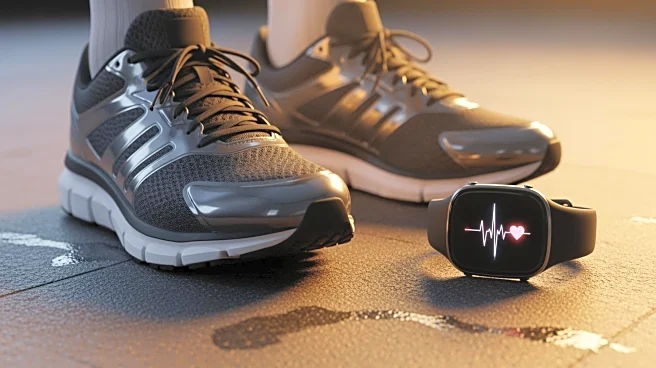
Cristiano Ronaldo, the renowned Portuguese footballer, continues to defy age-related expectations by maintaining an exceptional level of fitness at 41. According to recent data, Ronaldo's biological age is estimated at 28.9, a testament to his rigorous training and recovery regimen. His daily routine includes an average of 17,000 steps, a resting heart rate of 44 beats per minute, and a consistent sleep schedule of over seven hours per night. Ronaldo's training is complemented by a focus on recovery, utilizing methods such as cryotherapy, compression therapy, and ice baths. His nutrition strategy emphasizes protein-rich meals and frequent, smaller meals to sustain energy levels. This disciplined approach allows Ronaldo to remain competitive
and perform at an elite level, even as he approaches 1,000 career goals.
Why It's Important?
Ronaldo's commitment to fitness and recovery serves as a model for athletes and fitness enthusiasts worldwide, demonstrating the impact of a disciplined lifestyle on longevity in sports. His ability to maintain peak physical condition at 41 challenges conventional views on athletic careers and aging. This has implications for sports science, potentially influencing training and recovery protocols across various sports. Additionally, Ronaldo's approach underscores the importance of recovery in athletic performance, which could lead to broader adoption of advanced recovery techniques in professional sports. His dedication also highlights the role of nutrition in sustaining high performance, offering insights into dietary strategies that support athletic longevity.
What's Next?
As Ronaldo continues his career, his fitness regimen may inspire further research into the effects of advanced recovery techniques and nutrition on athletic performance. Sports teams and trainers might increasingly adopt similar methods to enhance player longevity and performance. Ronaldo's ongoing success could also influence younger athletes to prioritize recovery and nutrition, potentially shifting training paradigms in professional sports. Additionally, his career trajectory may prompt discussions about extending the competitive lifespan of athletes, leading to innovations in sports medicine and training methodologies.