






What's Happening?
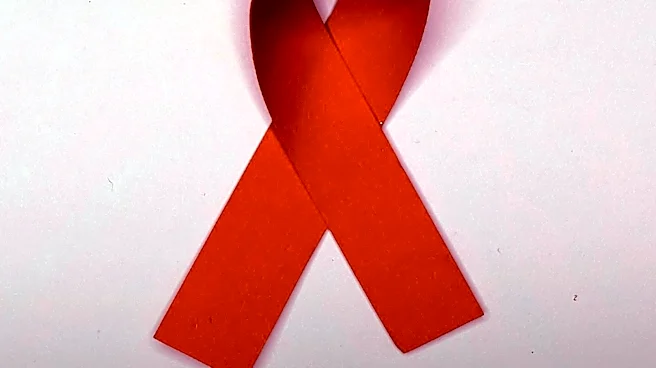
Authors David Levithan and Gabriel Duckels have released a new YA nonfiction book titled 'The Fight of Our Lives: AIDS in America,' which provides an in-depth account of the AIDS crisis in the U.S. The book combines primary source interviews, historical
and medical research, and key cultural moments to offer a comprehensive narrative. Levithan, a Lambda Literary Award-winning author, and Duckels, a scholar based in Texas, aim to add complexity and empathy to the mainstream narrative of the AIDS crisis. The book includes personal stories, such as Levithan's uncle's experience living with AIDS, and interviews with over 20 individuals, including long-time AIDS activists and recent HIV diagnoses.
Why It's Important?
The book is significant as it seeks to educate a new generation about the AIDS crisis, a topic that remains stigmatized and often misunderstood. By providing a nuanced narrative, the authors aim to challenge mainstream histories that have predominantly focused on certain demographics, such as white gay men, and to include diverse voices and experiences. This approach not only broadens the understanding of the crisis but also highlights the ongoing impact of AIDS on various communities. The book serves as a reminder of the importance of community and activism in addressing public health crises, and it underscores the need for continued awareness and education to combat stigma and misinformation.
Beyond the Headlines
The release of 'The Fight of Our Lives' comes at a time when public health narratives are increasingly scrutinized, particularly in the wake of the COVID-19 pandemic. The book's emphasis on community and self-reliance in the face of governmental and corporate shortcomings resonates with current discussions about healthcare access and equity. Additionally, the book's focus on personal stories and diverse perspectives may inspire similar approaches in other historical and social narratives, encouraging a more inclusive and empathetic understanding of complex issues. The authors' work also highlights the role of literature in preserving memory and fostering dialogue about difficult topics.