



What's Happening?
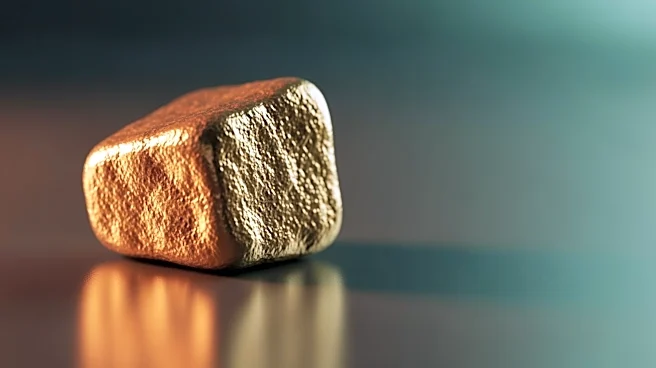
The Silver Institute, a U.S.-based industry body, forecasts a sixth consecutive year of market deficit for silver in 2026. Despite a modest 2% decrease in total demand to 1.11 billion ounces due to high prices affecting jewelry and silverware demand,
the deficit is expected to widen to 46.3 million ounces. This is attributed to stable global silver mine production and broader operational pressures in key producing regions. The geopolitical and macroeconomic environment, including the Iran war and U.S. rate expectations, continues to support silver prices. In 2025, silver demand exceeded supply for the fifth year, driven by a surge in bar and coin demand and a shift of metal into Chicago Mercantile Exchange vaults, leading to a liquidity squeeze and record-high prices.
Why It's Important?
The ongoing market deficit for silver has significant implications for various stakeholders, including investors, industries relying on silver, and global economies. The sustained high prices and demand for silver as a safe-haven asset reflect broader economic uncertainties, such as policy instability and sovereign debt risks. Industries that depend on silver, like electronics and renewable energy, may face cost pressures, potentially impacting production and innovation. Additionally, the geopolitical tensions and economic policies influencing silver prices could affect global trade dynamics and investment strategies.
What's Next?
The silver market is likely to experience continued volatility as geopolitical tensions and economic policies evolve. Stakeholders, including investors and industries, will need to monitor these developments closely. The potential for further price increases could drive more investment in silver, while industries may seek alternative materials or strategies to mitigate cost impacts. The Silver Institute's predictions suggest that stakeholders should prepare for ongoing supply constraints and price fluctuations in the coming years.