
What's Happening?
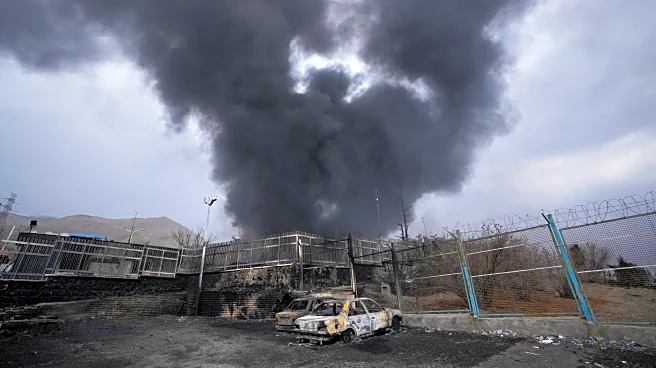
Oil prices briefly surged above $100 per barrel due to escalating tensions in the Middle East, particularly affecting the Strait of Hormuz, a critical chokepoint for global oil flows. The disruption in tanker traffic through this region has led to a temporary
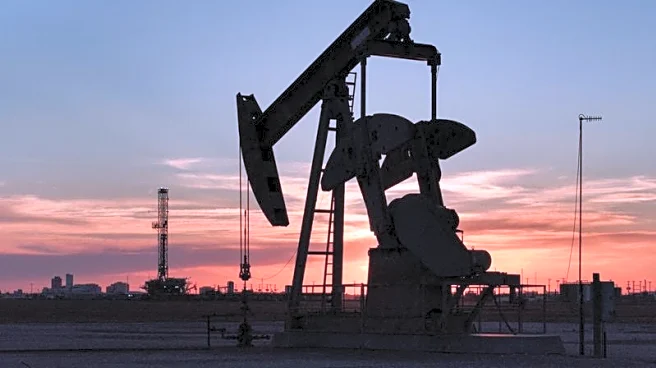
spike in crude prices, which later retreated after President Trump suggested that the conflict might be nearing an end. The volatility in oil prices highlights the sensitivity of global markets to disruptions in Persian Gulf energy supplies. Analysts are concerned about whether this price spike is temporary or indicative of a longer period of tight supply, especially if Gulf exports remain restricted.
Why It's Important?
The surge in oil prices poses significant inflation risks, particularly if elevated prices persist. Energy-driven inflation could impact consumer spending and put pressure on industries heavily reliant on energy, such as aviation and transportation. The uncertainty surrounding the Middle East conflict adds to existing economic uncertainties, potentially affecting global markets. Sustained high oil prices could exacerbate inflationary pressures, affecting economic stability and growth. The situation underscores the vulnerability of global energy markets to geopolitical tensions and the potential for significant economic repercussions.
What's Next?
The future trajectory of oil prices will largely depend on the resolution of the Middle East conflict and the restoration of normal tanker traffic through the Strait of Hormuz. If the conflict de-escalates, as suggested by President Trump, oil prices may stabilize. However, if disruptions continue, markets could face prolonged periods of high prices, intensifying inflation risks. Stakeholders, including governments and industries, will need to monitor developments closely and prepare for potential economic impacts. The situation may prompt discussions on energy security and diversification of supply sources to mitigate future risks.