





What's Happening?
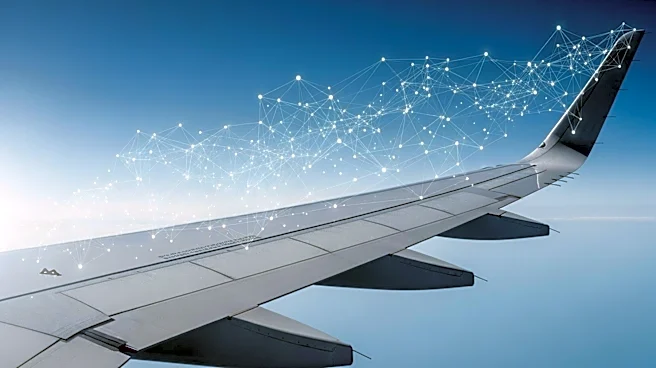
Delta Air Lines has opted to use Amazon's LEO satellite service for its in-flight WiFi, bypassing Elon Musk's Starlink. This decision has drawn criticism from Musk, who expressed his displeasure on social media, suggesting that Delta's choice would make
connectivity 'painful, difficult and expensive' for customers. Delta, however, defended its decision, citing the potential for a broader partnership with Amazon beyond just in-flight WiFi. The airline emphasized that Amazon's service met its technical requirements and aligned with its vision for the future of connected travel. Delta plans to equip different aircraft with the technology that best fits each fleet, maintaining access to its Delta Sync portal via a SkyMiles login.
Why It's Important?
The decision by Delta Air Lines to partner with Amazon LEO instead of Starlink highlights the competitive landscape in the in-flight connectivity market. This move could influence other airlines' choices regarding in-flight internet providers, potentially affecting Starlink's market share. For Delta, the partnership with Amazon could enhance its service offerings and customer experience, aligning with its strategy to provide tailored connectivity solutions. The broader implications for the airline industry include potential shifts in partnerships and technology adoption, impacting passenger satisfaction and operational efficiency.
What's Next?
Delta's next-generation connectivity project with Amazon's Kuiper network is expected to begin in 2028. In the meantime, Delta will continue to evaluate and implement technologies that best suit its fleet and customer needs. The airline industry will likely monitor the outcomes of Delta's decision, which could set a precedent for future partnerships and technology choices. Stakeholders, including passengers and competing airlines, will be keen to see how this decision impacts Delta's service quality and customer satisfaction.