







What's Happening?
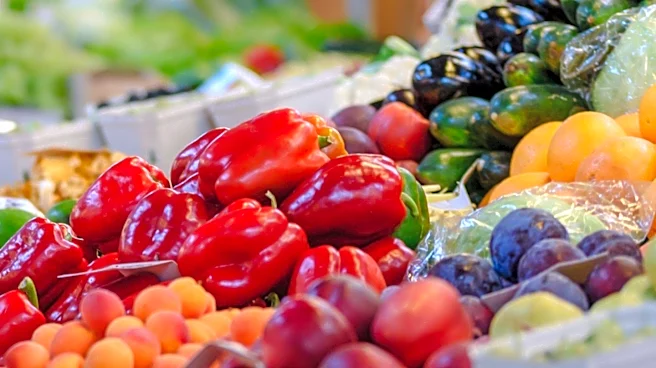
Organic food is often more expensive than conventional food due to higher production costs, including labor, infrastructure, and certification requirements. The USDA organic label, while trusted, adds to these costs, making it challenging for smaller
farms to maintain certification. As a result, some farmers continue using organic methods without certification, losing the ability to market their products as 'organic.' Despite the higher costs, the nutritional benefits of organic foods remain debated, raising questions about the justification for their premium pricing.
Why It's Important?
The high cost of organic food impacts both consumers and producers. For consumers, the premium pricing can limit access to organic products, which are often perceived as healthier and more environmentally friendly. For producers, particularly small-scale farmers, the financial burden of certification can be prohibitive, affecting their ability to compete in the market. This situation highlights the need for policy discussions around supporting sustainable farming practices and making organic food more accessible. Understanding the factors driving organic food prices can inform consumer choices and industry practices.