






What's Happening?
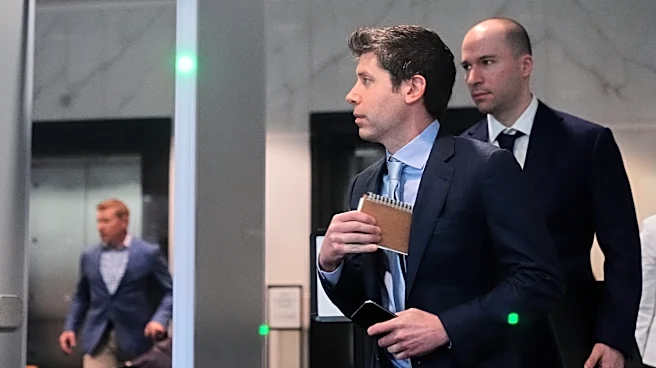
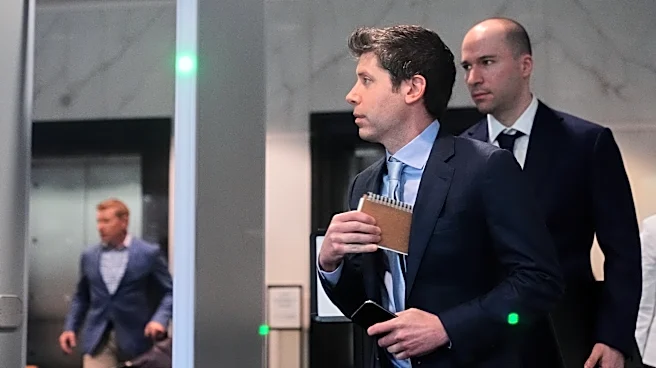
OpenAI CEO Sam Altman recently faced intense questioning in a California federal court regarding his qualifications to control advanced AI models. This follows his testimony before Congress about AI regulation, where he discussed licensing advanced models. The
court proceedings focused on Altman's economic interests in OpenAI, which he had not disclosed during his Senate testimony. The trial is examining whether OpenAI's structure aligns with its mission and if the non-profit board can effectively control the for-profit entity. Altman's credibility is under scrutiny, with accusations of misleading behavior from former board members and other stakeholders.
Why It's Important?
The trial highlights significant concerns about transparency and governance within the AI industry, particularly regarding the control and regulation of advanced AI technologies. As AI continues to play a critical role in various sectors, ensuring that leaders like Altman are held accountable is crucial for maintaining public trust. The outcome of this trial could influence future regulatory frameworks for AI, impacting how companies balance innovation with ethical considerations. Additionally, the case underscores the challenges of managing dual-structured organizations like OpenAI, where non-profit and for-profit interests may conflict.
What's Next?
The court's decision will likely have far-reaching implications for OpenAI and the broader AI industry. If Altman's credibility is undermined, it could lead to increased regulatory scrutiny and calls for more stringent oversight of AI companies. The trial may also prompt discussions about the need for clearer guidelines on the disclosure of economic interests by tech leaders. As the jury and judge deliberate, stakeholders in the AI community will be watching closely, as the verdict could set a precedent for how similar cases are handled in the future.