





What's Happening?
The wedding industry is witnessing a significant shift as engaged couples increasingly turn to GLP-1 medications for pre-wedding weight loss. Originally developed to treat diabetes, these drugs, including semaglutide and tirzepatide, are now widely prescribed
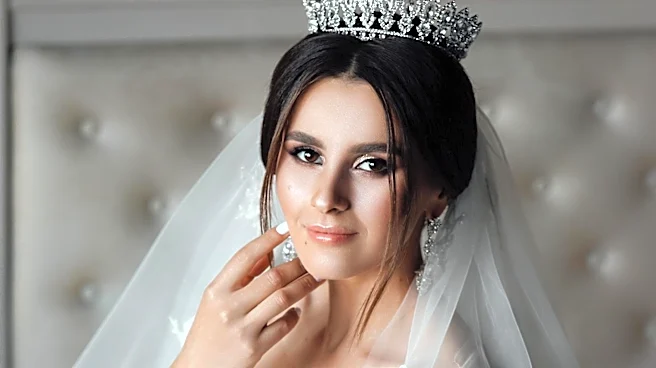
for rapid weight loss. According to data from Zola, one in ten couples planning weddings in 2026 are using GLP-1 medications, with over half citing their wedding as a primary motivator. This trend reflects a broader change in wedding culture, where medical interventions are becoming part of the beauty regimen traditionally associated with wedding preparation. The pressure to look a certain way on the wedding day, intensified by social media, is leading couples to seek prescription interventions, including Botox and other treatments, to meet beauty standards.
Why It's Important?
The increasing use of GLP-1 medications for pre-wedding weight loss highlights the growing influence of medical interventions in the beauty industry. This trend underscores the pressure couples face to conform to societal beauty standards, particularly for significant life events like weddings. The normalization of such treatments could have broader implications for public health and the beauty industry, as more individuals may seek medical solutions for aesthetic purposes. Additionally, this shift may impact the pharmaceutical industry, with potential increases in demand for weight-loss medications. The societal pressure to achieve a certain appearance for weddings could also perpetuate unrealistic beauty standards, affecting mental health and self-esteem.
What's Next?
As the trend of using GLP-1 medications for pre-wedding weight loss continues, it may prompt discussions about the ethical implications of medicalizing beauty standards. Stakeholders in the wedding industry, including planners and beauty professionals, may need to address the pressures faced by couples and promote healthier approaches to wedding preparation. The pharmaceutical industry might see increased demand for weight-loss drugs, potentially leading to more research and development in this area. Additionally, public health officials could consider the impact of widespread use of such medications for non-medical purposes and explore regulations to ensure safe usage.
Beyond the Headlines
The reliance on medical interventions for pre-wedding beauty preparation raises ethical questions about the commercialization of personal milestones. It reflects a cultural shift where significant life events are increasingly influenced by societal expectations and consumerism. This trend may contribute to the perpetuation of unrealistic beauty standards, affecting individuals' perceptions of self-worth and body image. The normalization of such practices could lead to long-term changes in how society views beauty and health, potentially influencing future generations' attitudes towards body image and self-care.