








What's Happening?
The travel industry in 2026 is navigating a complex landscape shaped by geopolitical conflicts, economic fluctuations, and technological advancements. Geopolitical tensions, particularly in the Middle East, have impacted travel routes and energy supplies,
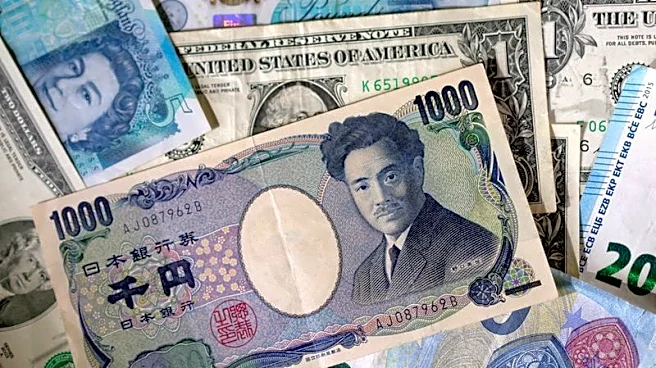
leading to fewer scheduled flights and the emergence of alternative transit hubs. Economic factors such as rising energy prices and volatile foreign exchange rates are influencing travel costs and decisions. Meanwhile, advancements in artificial intelligence (AI) are transforming how travelers plan and experience their journeys, with AI tools helping consumers discover less-traveled destinations. The Mastercard Economics Institute highlights these trends, noting that AI-driven platforms are encouraging travel to off-the-beaten-path locations, thereby reshaping spending patterns.
Why It's Important?
The evolving dynamics in the travel industry have significant implications for global tourism and related sectors. Geopolitical and economic uncertainties are altering travel patterns, affecting both leisure and corporate travel. The rise of AI in travel planning offers opportunities for personalization and efficiency, potentially boosting tourism in lesser-known destinations. However, the industry's reliance on stable geopolitical and economic conditions means that ongoing conflicts and market volatility could disrupt growth. The ability of travel companies to adapt to these changes will be crucial in maintaining resilience and competitiveness. Additionally, the shift towards sustainable travel, as seen in the growing preference for luxury train travel, reflects broader societal trends towards environmental consciousness.
What's Next?
As the travel industry adapts to these challenges, stakeholders will likely focus on leveraging AI and digital tools to enhance traveler experiences and optimize operations. Airlines may continue to adjust capacity in response to geopolitical tensions and economic conditions, while travel companies might explore new markets and offerings to attract diverse consumer segments. The industry's response to these external forces will be critical in shaping future travel trends and ensuring long-term sustainability. Monitoring geopolitical developments and economic indicators will be essential for anticipating shifts in travel demand and adjusting strategies accordingly.
Beyond the Headlines
The integration of AI in travel planning not only enhances consumer experiences but also raises questions about data privacy and the ethical use of technology. As AI tools become more prevalent, ensuring transparency and protecting consumer data will be vital. Additionally, the industry's move towards sustainable travel highlights the need for balancing economic growth with environmental responsibility. This shift could drive innovation in eco-friendly travel solutions and influence policy decisions aimed at reducing the carbon footprint of tourism.