


What's Happening?
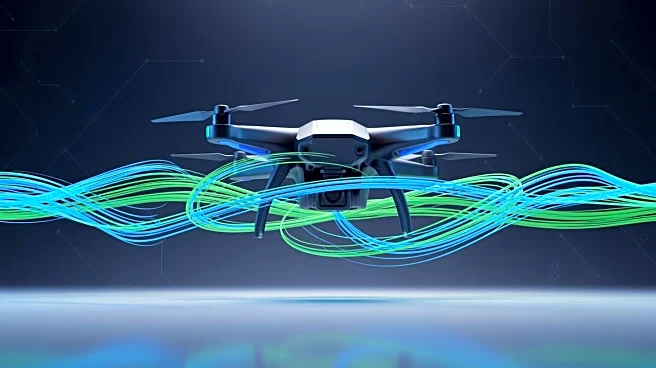
Tyto Robotics has introduced the WindProbe 3D system, a cutting-edge tool designed for aerodynamic research and the development of Unmanned Aerial Vehicles (UAVs). The system utilizes a handheld multi-hole probe to convert complex wind flow into live, measurable data within a wind tunnel. This innovative technology measures wind speed and direction in real-time, employing WindShaper hardware and camera-based position tracking. The WindProbe 3D, powered by WindVision software, allows users to capture high-resolution 3D flow data, which can be exported for further analysis in CSV and VTK formats. This development is part of Tyto Robotics' ongoing efforts to enhance integrated UAV testing solutions and expand their global availability.
Why It's Important?
The introduction
of the WindProbe 3D system by Tyto Robotics represents a significant advancement in UAV testing and aerodynamic research. By providing real-time, high-resolution data on wind flow, the system enhances the precision and efficiency of UAV development. This technology is crucial for industries relying on UAVs, such as logistics, agriculture, and surveillance, as it can lead to more reliable and efficient drone operations. Additionally, the ability to export data for further analysis supports ongoing research and development efforts, potentially accelerating innovation in the aerospace sector. The system's capabilities could also attract international interest, boosting Tyto Robotics' position in the global market.
What's Next?
As Tyto Robotics continues to promote the WindProbe 3D system, it is likely to engage with various stakeholders in the aerospace and UAV industries to demonstrate the system's capabilities. The company may also seek partnerships with research institutions and commercial entities to further validate and refine the technology. Additionally, Tyto Robotics might explore opportunities to integrate the WindProbe 3D system into broader UAV testing frameworks, enhancing its utility and appeal. The success of this system could lead to further innovations in UAV technology and testing methodologies, potentially influencing industry standards and practices.