



What's Happening?
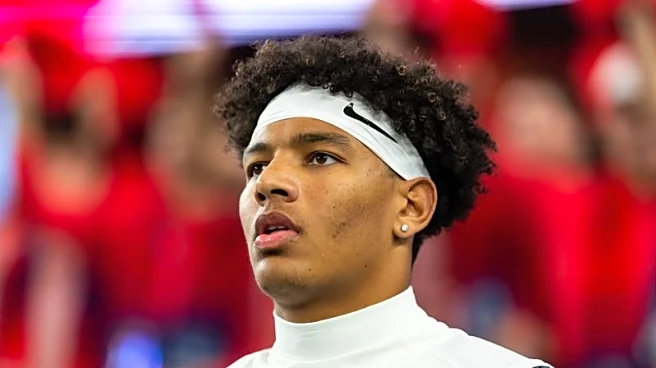
Braylon Calais, a highly sought-after four-star athlete from Cecilia, Louisiana, is at the center of a recruitment battle between LSU and Ole Miss. Calais, who is ranked as the No. 3 athlete in the 2027 recruiting cycle, has gained significant attention following impressive performances in high school football. In the 2024 season, he recorded 1,059 rushing yards and 24 touchdowns, along with 411 receiving yards and four touchdowns. As his recruitment intensifies, LSU is making a strong push to secure Calais, with head coach Lane Kiffin and running backs coach Kevin Smith visiting him in Louisiana. Meanwhile, Ole Miss is also vying for his commitment, bolstered by the presence of former LSU running backs coach Frank Wilson on their staff. Calais recently
visited LSU for an unofficial visit, highlighting the ongoing efforts by both programs to win his favor.
Why It's Important?
The recruitment of Braylon Calais is significant as it highlights the competitive nature of college football recruiting, particularly in the Southeastern Conference (SEC). Securing a top-ranked athlete like Calais can have a substantial impact on a program's future success, as talented players often contribute to winning records and increased visibility. For LSU and Ole Miss, landing Calais would not only enhance their rosters but also signal their recruiting prowess to other potential recruits. The outcome of this recruitment battle could influence the dynamics of SEC football, as both programs aim to strengthen their positions within the conference. Additionally, Calais' decision may affect the recruiting strategies of other schools vying for top talent.
What's Next?
As the recruitment process continues, both LSU and Ole Miss are expected to intensify their efforts to secure Braylon Calais' commitment. This may involve additional visits, meetings with coaching staff, and strategic pitches highlighting each program's strengths and opportunities. The decision-making process for Calais will likely involve evaluating the potential for playing time, development opportunities, and the overall fit with the program's culture. The outcome of this recruitment battle will be closely watched by other schools and recruits, as it may set a precedent for future recruiting efforts in the region.