






What's Happening?
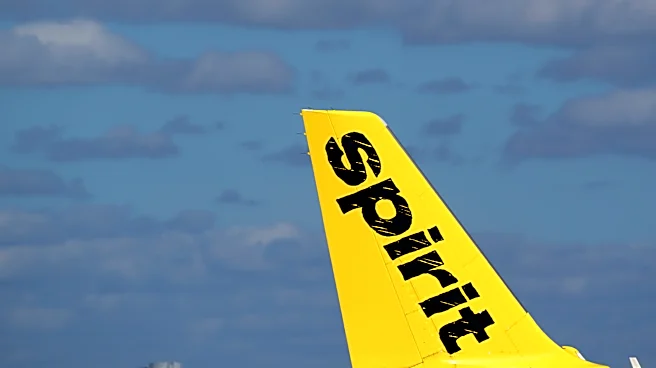
The U.S. government is contemplating the acquisition of Spirit Airlines as the airline faces financial difficulties. This potential move comes as Spirit Airlines seeks an emergency bailout to avoid liquidation. The airline has been struggling with financial instability,
prompting discussions about a government purchase to ensure its survival. The situation has sparked debates about the necessity and implications of such a government intervention in the airline industry. The discussions are part of a broader context of economic challenges faced by airlines, including rising fuel costs and competitive pressures.
Why It's Important?
The potential government acquisition of Spirit Airlines is significant as it highlights the ongoing challenges within the airline industry, particularly for low-cost carriers. If the government proceeds with the purchase, it could set a precedent for future interventions in the airline sector, raising questions about the role of government in private industry. The move could stabilize Spirit Airlines, preserving jobs and maintaining competition in the market. However, it also raises concerns about the use of taxpayer money and the implications for market dynamics. Stakeholders, including other airlines and industry analysts, are closely monitoring the situation.
What's Next?
If the government decides to acquire Spirit Airlines, it will need to navigate regulatory approvals and address potential antitrust concerns. The decision could prompt reactions from other airlines, possibly leading to strategic adjustments in the industry. Additionally, the government will need to outline its plans for managing Spirit Airlines and ensuring its long-term viability. The outcome of this situation could influence future policy decisions regarding government involvement in struggling industries.