







What's Happening?
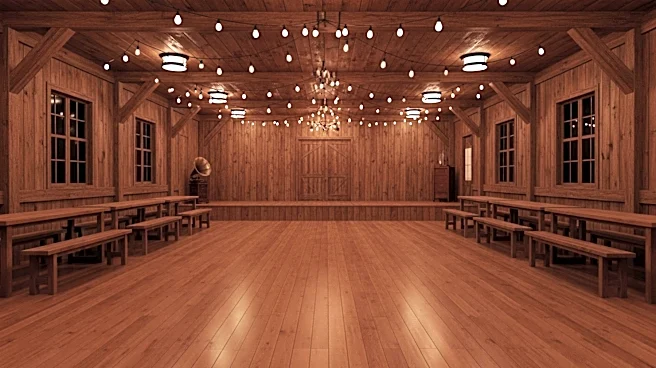
In Banner, Wyoming, the Kearney Community Hall has become a focal point for community gatherings, reviving the tradition of dance halls in isolated areas. The hall, which had been abandoned for years, was revitalized by Courtney Kaplan and a group of musicians
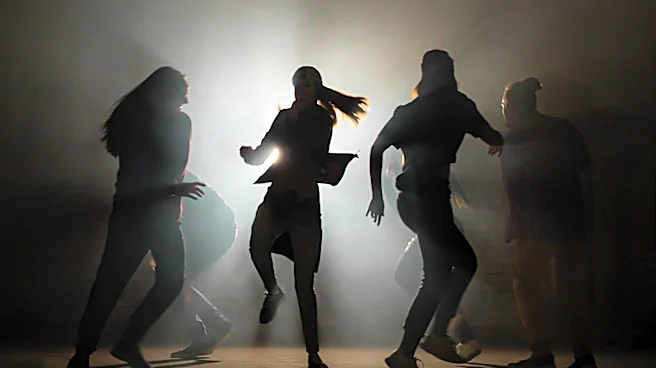
who saw its potential as a venue for community events. They formed a nonprofit to restore the building, raising funds through local events. Since reopening in 2017, the hall has hosted regular square dances, drawing people of all ages. The resurgence of such venues is part of a broader trend in the American West, where dance halls serve as social infrastructure, providing a space for community interaction and cultural preservation.
Why It's Important?
The revival of community dance halls like Kearney Community Hall highlights the importance of social spaces in rural areas, offering residents a place to gather, socialize, and maintain cultural traditions. These venues help combat isolation by fostering a sense of community and belonging. They also provide opportunities for cultural exchange and preservation, as seen in the participation of younger generations in traditional activities like square dancing. The trend underscores the value of community-driven initiatives in sustaining local culture and enhancing social cohesion in rural America.
What's Next?
The future of community dance halls depends on continued local support and engagement. The nonprofit managing Kearney Community Hall aims to involve younger community members in its operations to ensure its sustainability. This includes training new generations in traditional dance calling and music. As more communities recognize the value of such spaces, similar initiatives may emerge, further strengthening rural social networks. The success of these efforts will likely depend on the ability to adapt to changing community needs while preserving cultural heritage.
Beyond the Headlines
The resurgence of dance halls also raises questions about the role of cultural heritage in modern society. As these venues gain popularity, they may influence broader cultural trends, encouraging a return to traditional forms of entertainment and socialization. This could lead to a reevaluation of how communities value and invest in cultural infrastructure. Additionally, the movement highlights the potential for grassroots initiatives to drive cultural and social change, offering a model for other communities seeking to revitalize local traditions.