



What's Happening?
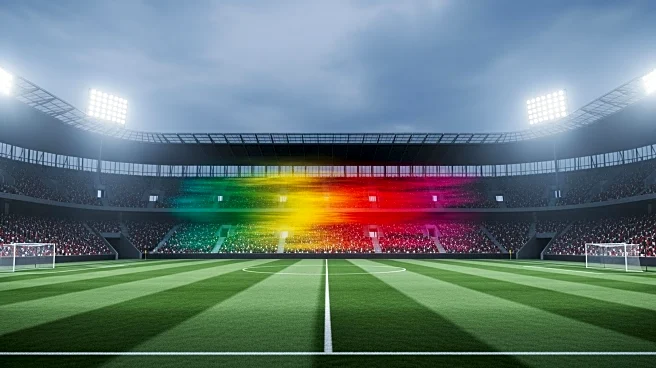
The 2026 Finalissima match, which was to feature European champions Spain against Copa América winners Argentina, has been officially cancelled. UEFA announced the decision following a breakdown in negotiations and escalating security concerns that made
hosting the event in Qatar unfeasible. Originally scheduled for March 27 at Doha's Lusail Stadium, the match was intended to be a highlight of the Qatar Football Festival. However, ongoing conflicts in the Middle East have disrupted regional travel and airspace, leading UEFA and local organizers to conclude that the political situation posed too great a risk to fans, players, and officials. Despite efforts to relocate the match to Europe, the Argentinian Football Association rejected several alternatives, including a single match at Real Madrid's Santiago Bernabeu or a two-legged event in Madrid and Buenos Aires. With no agreement reached, the fixture was cancelled, and Serbia will now play Spain on March 27.
Why It's Important?
The cancellation of the Finalissima highlights the impact of geopolitical tensions on international sports events. The decision underscores the challenges faced by organizers in ensuring the safety of participants and spectators amid regional conflicts. This development affects not only the teams and fans but also the broader sports community, which relies on such high-profile matches for engagement and revenue. The inability to find a suitable alternative venue reflects the complexities of international sports scheduling and the limitations imposed by national football calendars. The cancellation may also influence future decisions regarding the location and timing of international fixtures, emphasizing the need for contingency planning in volatile regions.
What's Next?
With the cancellation of the Finalissima, attention shifts to the upcoming match between Spain and Serbia, which will take place on March 27. UEFA and other football governing bodies may need to reassess their strategies for organizing international events in politically unstable regions. This situation could prompt discussions on developing more flexible scheduling and venue arrangements to accommodate unforeseen geopolitical developments. Additionally, the affected teams and their supporters will need to adjust their plans, potentially impacting travel and tourism associated with such events. The broader sports community will be watching closely to see how UEFA and other organizations address these challenges in future tournaments.