




What's Happening?
GEM Mining Consulting is investigating the potential of recovering lithium from secondary sources, such as mining waste, which is traditionally seen as a problem. This initiative is part of a broader trend where companies and researchers are re-evaluating
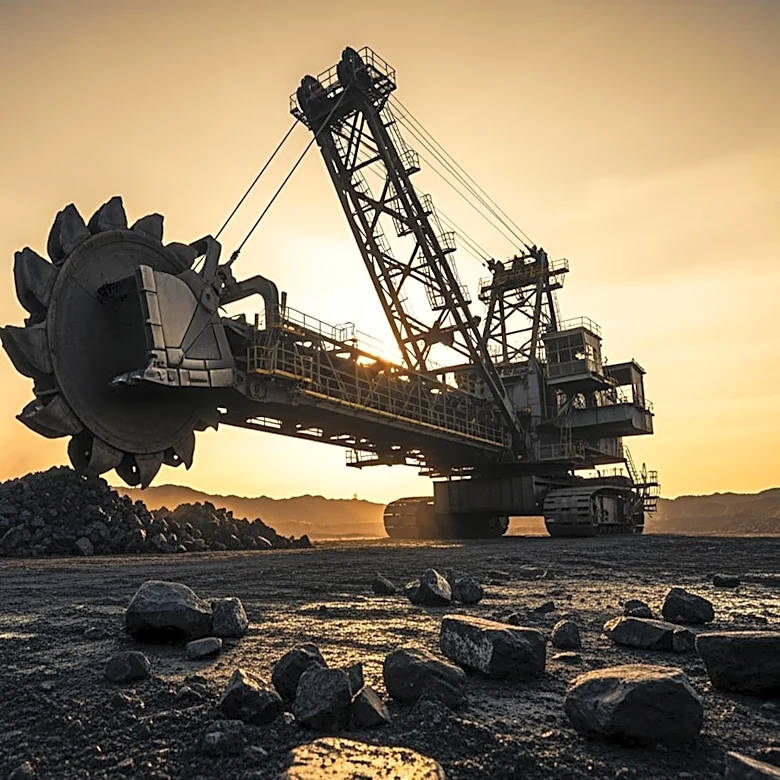
old piles of rock, residue, and industrial by-products as potential resources for critical minerals. A 2025 review highlighted that mining and mineral processing wastes are among the world's largest waste streams, and extracting lithium alongside other valuable elements like rare earths and aluminum could make the process more attractive. This approach not only reduces the need to mine new deposits but also turns environmental liabilities into useful resources. Companies like International Battery Metals and Tantalex Lithium Resources are also exploring similar projects, demonstrating the technical feasibility of lithium recovery from waste.
Why It's Important?
The exploration of lithium recovery from secondary sources is significant as it addresses both environmental and resource challenges. By utilizing existing waste, the pressure to mine new deposits is reduced, which can mitigate environmental impacts associated with traditional mining. This approach also offers a way to reclaim and repurpose waste sites, potentially transforming them into productive resources. The economic implications are notable, as this method could lower costs and expedite the permitting process compared to new mining projects. Additionally, as the demand for lithium continues to rise due to its critical role in battery production for electric vehicles and renewable energy storage, finding alternative sources of lithium is crucial for maintaining supply chain stability and supporting the transition to a low-carbon economy.
What's Next?
If successful, projects like those being explored by GEM Mining and others could lead to a shift in how mining waste is perceived and utilized. The next steps involve further testing and validation of the technical and environmental viability of these recovery methods. Should these projects prove feasible, they could pave the way for similar initiatives globally, potentially setting new standards for waste reclamation and resource recovery. Stakeholders, including environmental groups and local communities, may play a role in advocating for or against these projects based on their environmental and economic impacts. Additionally, regulatory bodies will need to assess and potentially adapt existing frameworks to accommodate these innovative approaches to resource recovery.
Beyond the Headlines
The move towards recovering lithium from secondary sources also raises questions about the long-term sustainability of mining practices and the potential for a circular economy in the mining sector. By focusing on waste reclamation, companies can contribute to reducing the environmental footprint of mining activities and promote more sustainable resource management. This approach aligns with broader environmental goals and could influence policy decisions related to mining and resource extraction. Furthermore, the success of these projects could inspire innovation in other areas of waste management and resource recovery, potentially leading to new technologies and business models that prioritize sustainability.