
What's Happening?
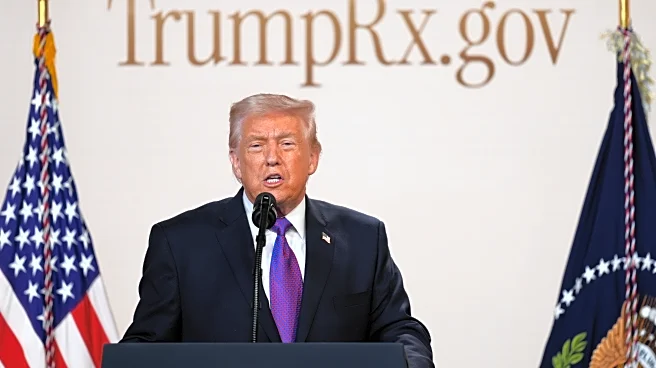
The art world is reflecting on a tumultuous 2025, marked by significant shifts in the art market and cultural tensions influenced by political changes. According to a review by Artnet News, the year saw a downturn in art sales and gallery closures, which persisted until a resurgence during New York's fall auctions and Art Basel Miami Beach. This shift in the market narrative has sparked discussions about potential trends for 2026. Additionally, the political landscape under President Trump's second term has introduced new challenges, affecting federal arts funding, museum governance, and international cultural exchanges. The year also witnessed debates on whether the art world has moved beyond 'woke' culture, alongside a resurgence of digital
art and the continued influence of red chip art.
Why It's Important?
The developments in 2025 are significant as they highlight the art world's vulnerability to broader economic and political forces. The initial slump in the art market reflects economic uncertainties that can impact artists, galleries, and collectors. The resurgence in sales later in the year suggests a potential recovery, which could influence investment and pricing strategies in 2026. Politically, the changes under President Trump have implications for cultural institutions, potentially affecting their funding and operational strategies. The ongoing cultural debates within the art world also reflect broader societal shifts, influencing how art is created, consumed, and valued. These dynamics are crucial for stakeholders in the art industry as they navigate an evolving landscape.
What's Next?
Looking ahead, the art world may continue to experience fluctuations in market dynamics as economic conditions evolve. Stakeholders will likely monitor political developments closely, particularly regarding arts funding and cultural policies. The potential for further digital art innovations and shifts in cultural discourse could also shape future trends. Institutions may need to adapt to changing public expectations and financial pressures, potentially leading to new models of engagement and sustainability. As the art world grapples with these challenges, it will be important for artists, galleries, and collectors to remain agile and responsive to emerging opportunities and risks.