







What's Happening?
Target is undertaking a significant overhaul of its stores across the United States, including major cities like New York City, Los Angeles, and Chicago. This initiative is part of a $5 billion investment aimed at modernizing store layouts, expanding
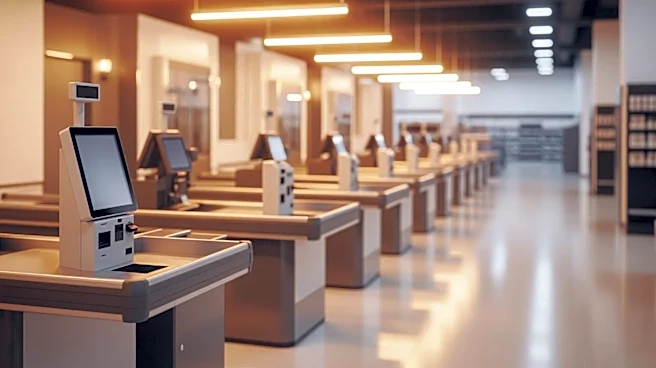
product assortments, and improving same-day shopping services. The company plans to remodel over 130 stores and open 30 new locations this year. The redesigns will feature updated layouts to make shopping more intuitive, with expanded grocery sections and redesigned departments for apparel, beauty, and home goods. Additionally, the remodels will enhance support for Order Pickup, Drive Up, and returns, with redesigned checkout areas to improve flow and convenience. Select stores will also see upgraded amenities such as modernized restrooms and nursing areas.
Why It's Important?
This extensive redesign effort by Target is crucial as it reflects the company's strategy to adapt to changing consumer shopping habits and expectations. By investing in store modernization, Target aims to enhance the in-person shopping experience and strengthen its position as a one-stop shopping destination. The focus on expanding grocery sections and improving same-day services aligns with consumer demand for convenience and efficiency. This move could potentially increase customer loyalty and attract new shoppers, thereby boosting Target's competitive edge in the retail market. The investment also underscores the importance of physical stores in supporting Target's business model, even as online shopping continues to grow.
What's Next?
As Target rolls out these redesigns, the company will likely monitor customer feedback and sales performance to assess the impact of the changes. The success of this initiative could influence future investments in store infrastructure and technology. Additionally, competitors in the retail sector may respond by enhancing their own store experiences to maintain market share. Target's focus on sustainability, with energy-efficient systems in remodeled stores, may also set a precedent for environmentally conscious retail practices.