







What's Happening?
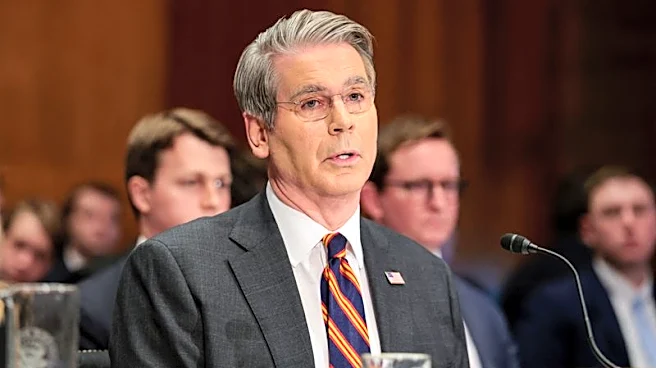
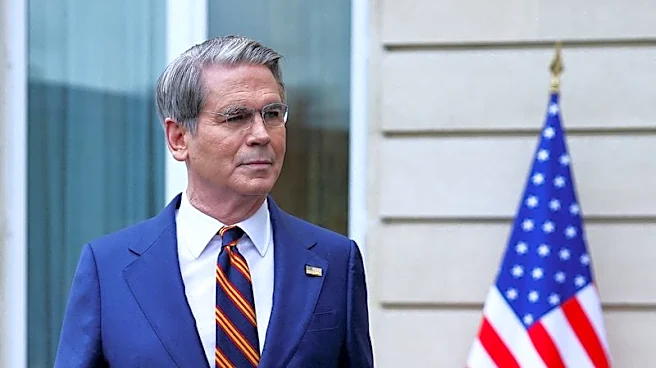
Treasury Secretary Scott Bessent has announced that U.S. banks should prepare to collect citizenship data from customers, as an executive order mandating this requirement is in process. This move is part of a broader effort by President Trump's administration
to link immigration policy with data collection in the U.S. Currently, banks are required to verify customer identities under 'Know Your Customer' rules, but citizenship information is not mandatory. Bessent argues that knowing a customer's legal status is crucial for banks to fulfill their regulatory obligations. The proposal has received support from some Republicans, including Sen. Tom Cotton, who introduced a bill to require banks to verify the citizenship or legal status of account holders. However, there are concerns about the economic impact and increased administrative costs for banks.
Why It's Important?
The initiative to collect citizenship data from bank customers could have significant implications for the U.S. banking system and economy. It may increase operational costs for banks, potentially leading to higher fees for consumers. Additionally, it could affect undocumented immigrants who rely on banking services to participate in the economy, potentially pushing them into a cash-only existence. This could hinder their ability to contribute to economic growth and move up the social ladder. The proposal also raises legal and ethical questions about privacy and the role of financial institutions in immigration enforcement.
What's Next?
If the executive order is implemented, banks will need to adjust their systems and processes to comply with the new requirements. This could involve significant changes to customer onboarding procedures and increased scrutiny of existing accounts. The banking industry may push back against the order, citing concerns about costs and customer privacy. Additionally, there could be legal challenges to the order, particularly if it is seen as overstepping the bounds of executive authority.