






What's Happening?
The Los Angeles Dodgers are exercising caution with their closer, Edwin Díaz, due to a noticeable dip in his pitching velocity. Díaz, who joined the Dodgers after leaving the New York Mets, experienced a drop in his fastball and slider speeds, which were
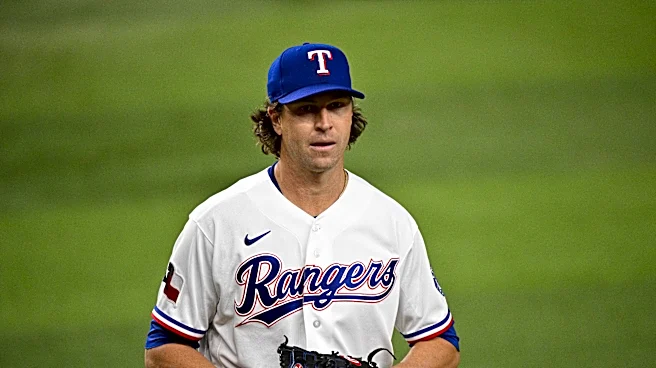
down by 1.7 mph and 1.3 mph respectively from last season. Despite this, Díaz has assured the coaching staff that he feels physically fine. Manager Dave Roberts has expressed low concern over the issue but has opted to manage Díaz's workload carefully to prevent any potential injuries. The Dodgers' bullpen has been performing well, with a 3.40 ERA, an improvement from the previous season. Díaz's addition has been instrumental in this success, although he recently blew a save opportunity against the Texas Rangers.
Why It's Important?
The Dodgers' cautious approach with Edwin Díaz highlights the importance of managing player health to maintain team performance. Díaz's velocity issues could impact the Dodgers' bullpen strategy, as his role is crucial in closing games. The team's decision to monitor his workload reflects a broader trend in MLB where player health and longevity are prioritized to ensure consistent performance throughout the season. This situation also underscores the Dodgers' depth in their bullpen, allowing them to adapt to such challenges without significantly affecting their win-loss record. The outcome of this approach could influence how other teams manage similar situations with their key players.
What's Next?
The Dodgers will continue to monitor Edwin Díaz's performance and adjust his usage as necessary. The team is set to face the New York Mets, Díaz's former team, which could provide an opportunity to assess his progress against familiar opponents. The Dodgers' management will likely keep a close eye on Díaz's velocity and overall health, making adjustments to their bullpen strategy as needed. This ongoing situation may prompt discussions within the league about best practices for managing player health and performance, especially for pitchers who are critical to their teams' success.