






What's Happening?
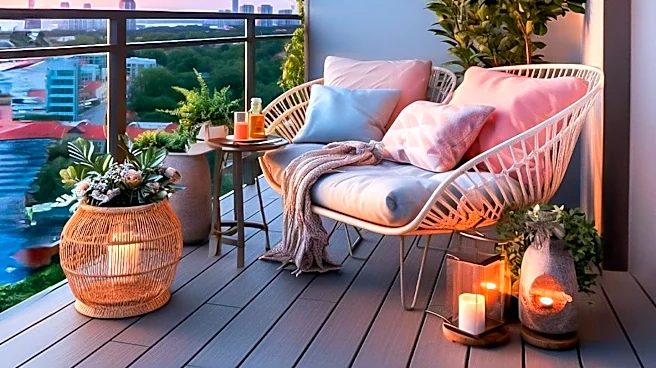
B&Q has released its annual report, 'The Way We Live Now 2026', revealing a significant shift in consumer behavior towards home improvement. The report indicates that 87% of UK shoppers now view their homes as sanctuaries, prioritizing emotional wellbeing
and togetherness. Key themes identified include designing for calm, the rise of 'JoyMaxxing' upgrades, and a focus on shared family spaces. The report highlights that 93% of respondents prioritize creating relaxing and calming environments, with trends and social media influence being less significant factors. Additionally, the concept of 'JoyMaxxing' involves playful micro-upgrades that enhance emotional value, with 70% of people enjoying such additions. The report also notes a shift in the trade sector, with increased competition leading to higher standards of professionalism among tradespeople.
Why It's Important?
This shift in consumer preferences towards wellbeing and joy in home improvement reflects broader societal trends emphasizing mental health and emotional wellbeing. As people increasingly seek refuge in their homes, the demand for products and services that enhance these aspects is likely to grow. This trend could impact various industries, including home goods, interior design, and construction, as businesses adapt to meet these evolving consumer needs. The emphasis on emotional wellbeing and individuality over trends suggests a potential decline in trend-driven markets, with opportunities for businesses that offer personalized and emotionally resonant products. Additionally, the increased professionalism in the trade sector could lead to improved consumer trust and satisfaction, influencing market dynamics and competition.
What's Next?
As these trends continue to evolve, businesses in the home improvement sector may need to innovate and adapt their offerings to align with consumer desires for wellbeing and joy. Companies might focus on developing products that promote relaxation and emotional upliftment, as well as enhancing customer experiences through personalized services. The trade sector could see further professionalization, with tradespeople enhancing their digital presence to appeal to younger consumers. Retailers like B&Q may continue to refine their strategies to cater to these preferences, potentially influencing marketing approaches and product development. The ongoing emphasis on emotional wellbeing could also inspire new collaborations between designers, psychologists, and wellness experts to create holistic home environments.
Beyond the Headlines
The growing focus on emotional wellbeing in home design may have deeper cultural implications, reflecting a societal shift towards valuing mental health and personal happiness. This trend could influence broader lifestyle choices, encouraging individuals to prioritize self-care and mindfulness in various aspects of life. The movement away from trend-led interiors towards more personalized spaces might also signify a cultural shift towards authenticity and individuality. As homes become more central to personal wellbeing, there could be increased interest in sustainable and eco-friendly design practices, aligning with broader environmental concerns. This evolution in consumer behavior may also prompt discussions around the role of technology in creating emotionally supportive home environments.