








What's Happening?
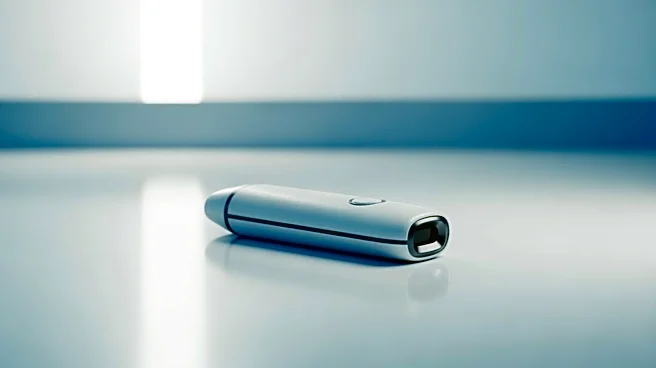
Utepreva LLC has announced the release of its FDA 510(k)-cleared endometrial sampler, designed to improve early detection of endometrial cancer. The device, which is single-use and patented, aims to enhance tissue capture and support early diagnostic
evaluations. Endometrial cancer, a leading gynecologic malignancy in the U.S., has seen rising incidence and mortality rates. The Utepreva sampler integrates three mechanisms—gentle tissue disruption, controlled suction, and optimized absorption—to collect comprehensive tissue samples in a single pass. This innovation addresses the limitations of traditional devices that often require multiple procedures to obtain adequate samples. The device is designed for patient comfort and safety, featuring a slim-profile wand and a soft sponge tip to minimize discomfort and risk during the procedure.
Why It's Important?
The introduction of the Utepreva endometrial sampler is significant as it addresses a critical need for reliable early detection tools for endometrial cancer, which is crucial for improving survival rates. Early diagnosis can lead to survival rates as high as 95%, compared to less than 20% for advanced stages. By providing a more efficient and comfortable sampling process, the device could potentially transform routine gynecologic care, similar to the impact of Pap smears and mammography in other cancer screenings. This advancement could lead to broader adoption of early detection strategies, ultimately improving patient outcomes and reducing healthcare costs associated with late-stage cancer treatments.
What's Next?
Utepreva plans to showcase its endometrial sampling technology at the American College of Obstetricians and Gynecologists Annual Clinical & Scientific Meeting in May 2026. The company aims to integrate the device into routine gynecologic care, potentially making it a standard method for early detection of uterine cancer. As clinical evidence builds, the device could lay the groundwork for broader evaluation strategies, enhancing early detection and intervention efforts. Healthcare providers can request samples starting October 2026, and the device is expected to be available for use in symptomatic patients and those at elevated risk.