



What's Happening?
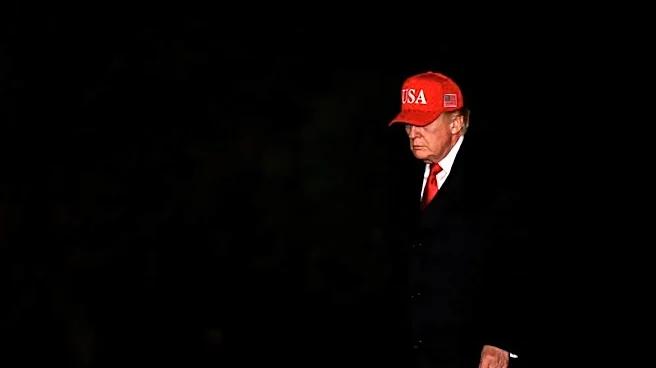
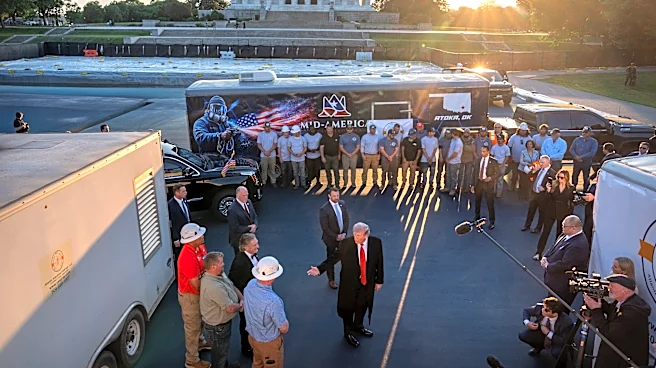
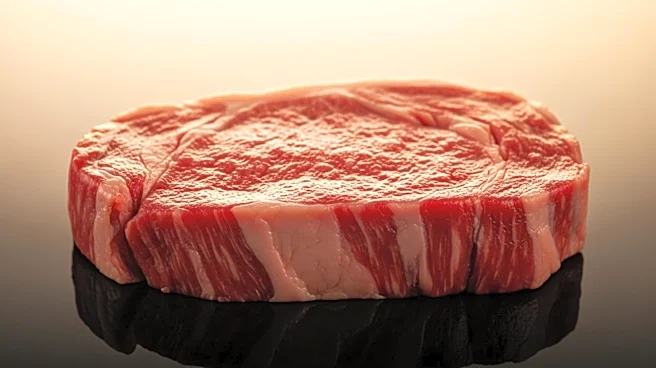
President Trump is set to sign two executive orders aimed at reducing beef prices, as reported by a White House official. The orders are designed to address the rising cost of beef, which has increased by 40% over the past five years. The first order will
temporarily suspend an annual tariff-rate quota on beef imports, allowing more beef to enter the U.S. at a lower price. The second order will direct the Small Business Administration to increase loans and access to capital for U.S. cattle ranchers. Additionally, the order will roll back endangered species protections for certain wolves, a move that has been a point of contention for beef producers. These actions are part of a broader effort to ease inflationary pressures ahead of the midterm elections.
Why It's Important?
The executive orders are significant as they aim to address the high beef prices that have been a major driver of food inflation in the U.S. The orders could potentially benefit consumers by making beef more affordable. However, they may also provoke backlash from cattle ranchers who are concerned about increased competition from imported beef. The orders reflect the administration's strategy to balance consumer needs with industry interests, particularly in the context of upcoming elections where economic issues are a key concern. The move also highlights the administration's approach to regulatory adjustments in response to economic challenges.
What's Next?
The implementation of these executive orders may lead to increased beef imports, primarily from countries like Brazil, Australia, and Canada. This could further strain relations with domestic cattle ranchers who have already expressed concerns over previous import increases. The administration may face legal and political challenges as it navigates the interests of various stakeholders. Additionally, the Department of Justice's ongoing antitrust investigation into major meatpackers could influence future regulatory actions in the meat industry.