







What's Happening?
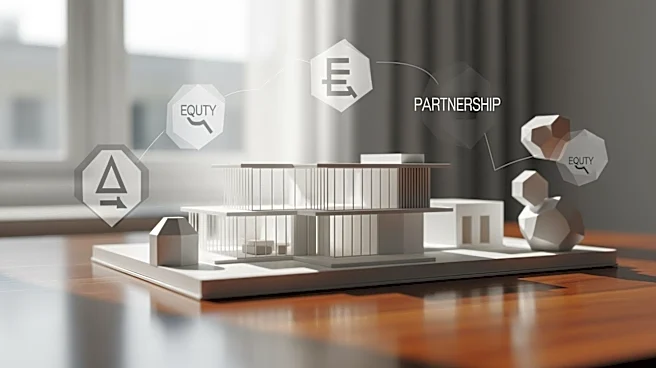
Storm Duncan, an investment banker and longtime Bay Area resident, is offering a unique real estate transaction for his 13-acre property in Mill Valley, California. Duncan is seeking to exchange the property for equity in Anthropic, an AI company, rather
than a traditional cash sale. This approach is described as a 'diversification play' by Duncan, who feels over-concentrated in real estate and under-concentrated in AI investments. The property, purchased by Duncan in 2019 for $4.75 million, is currently occupied by a high-profile venture capitalist, whose identity remains undisclosed. The transaction is structured to allow the buyer to retain 20% of the upside value of the shares exchanged during the lockup period, without requiring the outright sale of stock.
Why It's Important?
This unconventional real estate transaction highlights the growing influence of AI and technology investments in the financial strategies of individuals and businesses. By accepting equity in Anthropic, Duncan is aligning his investment portfolio with the burgeoning AI sector, which is increasingly seen as a critical area for future growth. This move reflects a broader trend where real estate and technology sectors intersect, offering new opportunities for diversification and investment. The deal also underscores the flexibility and innovation in financial transactions, particularly in high-value markets like the Bay Area, where traditional cash sales are being supplemented by equity-based deals.
What's Next?
The success of this transaction could set a precedent for similar deals in the future, particularly in tech-heavy regions like the Bay Area. If Duncan's approach proves successful, it may encourage other property owners to consider equity-based transactions as a viable alternative to traditional sales. This could lead to increased integration between real estate and technology investments, potentially influencing market dynamics and investment strategies. Stakeholders in both sectors may need to adapt to these evolving trends, considering the implications for property valuation, investment risk, and portfolio management.