
What's Happening?
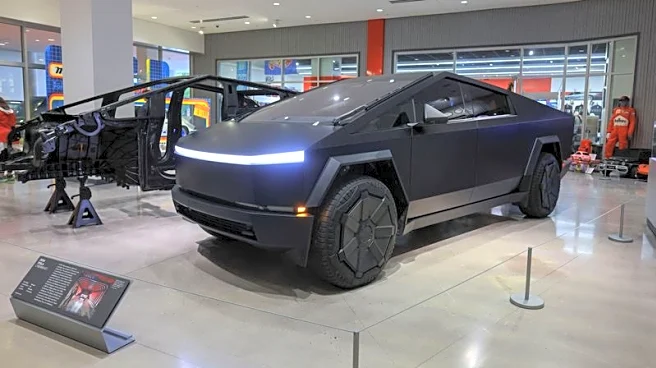
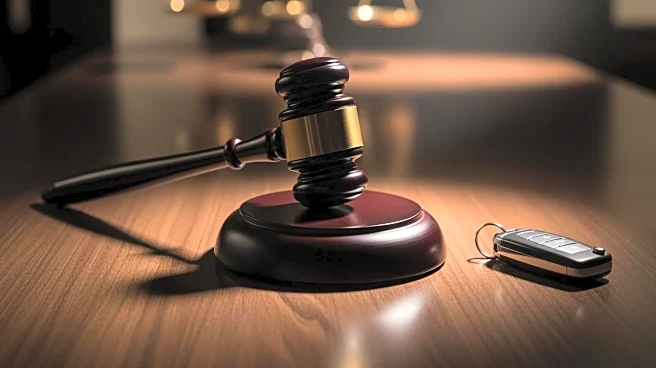
A federal judge in Miami has denied Tesla's attempt to overturn a $243 million verdict related to a fatal 2019 crash involving its Autopilot system. The case involved a Tesla Model S that, with Autopilot engaged, ran a stop sign and collided with a parked vehicle, resulting in the death of Naibel Benavides Leon and severe injuries to her boyfriend. The jury found Tesla 33% liable, awarding $43 million in compensatory damages and $200 million in punitive damages. Tesla's motion to overturn the verdict was rejected by U.S. District Judge Beth Bloom, who stated that Tesla's arguments were repetitive and had been previously considered.
Why It's Important?
The ruling highlights the legal challenges Tesla faces regarding its Autopilot system, which has been criticized
for potentially misleading consumers about its capabilities. The decision underscores the importance of accurate marketing and the potential legal liabilities companies face when their products are involved in fatal incidents. The case also reflects broader regulatory scrutiny of Tesla's driver assistance features, which have been accused of encouraging over-reliance by drivers. The financial implications for Tesla are significant, as the company had previously rejected a $60 million settlement offer, leading to a much larger verdict.
What's Next?
Tesla may consider appealing the decision, but the company has already settled several other Autopilot-related lawsuits, indicating a possible shift in legal strategy. The case could influence future regulatory actions and consumer perceptions of autonomous driving technologies. Additionally, Tesla's agreement to discontinue the 'Autopilot' branding in California suggests a move to mitigate further legal and regulatory risks.