





What's Happening?
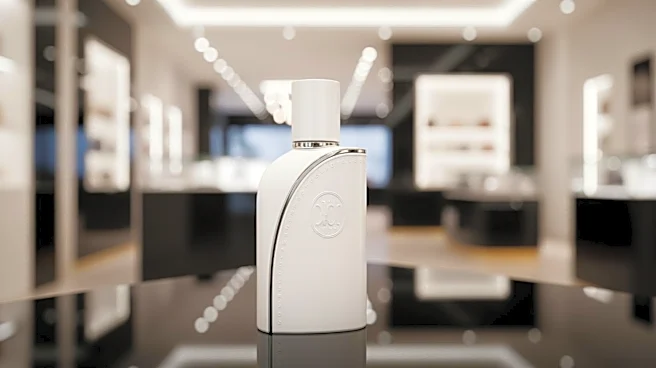
The fragrance industry is gearing up for summer 2026 with a fresh wave of scent trends that promise to redefine seasonal aromas. This year, the focus is on sophisticated solar juices and cozy skin scents that evoke the feeling of wearing an expensive
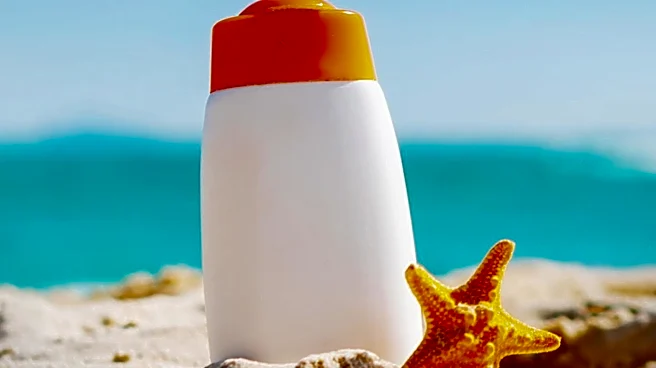
hoodie on a breezy night. Tropical fruits have reached their peak ripeness, offering a perfect time for layering scents to create a personalized fragrance experience. The resurgence of marine notes, once popular in men's fragrances, is now making a comeback with a more complex and atmospheric freshness. This trend is characterized by salty solars and florals with an aquatic edge, designed to transport wearers to magical destinations. White florals, a staple in the solar category, are paired with ingredients like coconut nectar and sea salt to create sweet and sunny scents. Creamy marine dreams are also in vogue, with blends of lavender, ocean air, and sea salt capturing the essence of a serene seaside experience.
Why It's Important?
The introduction of these new fragrance trends is significant for the industry as it reflects a shift towards more complex and emotionally transportive scents. This evolution caters to consumers' growing desire for fragrances that offer more than just a pleasant smell, but also an experience that evokes memories and emotions. The focus on layering and bespoke personal scents aligns with the broader trend of personalization in consumer products, allowing individuals to express their unique identities through fragrance. The resurgence of marine notes and the emphasis on tropical and coastal elements highlight a return to nature-inspired scents, which may appeal to consumers seeking escapism and relaxation. This shift could influence fragrance manufacturers to innovate and expand their product lines, potentially leading to increased sales and market growth.
What's Next?
As these trends gain traction, fragrance companies are likely to continue exploring new combinations of ingredients to create unique and memorable scents. Retailers may see an increase in demand for products that offer personalization options, such as customizable scent layering kits. The industry might also witness collaborations between fragrance brands and other sectors, such as fashion or wellness, to create holistic sensory experiences. Additionally, marketing strategies may focus on storytelling and emotional connections to enhance consumer engagement. The success of these trends could encourage further experimentation with unconventional ingredients and scent profiles, pushing the boundaries of traditional fragrance offerings.
Beyond the Headlines
The shift towards more complex and transportive fragrances may have broader cultural implications, reflecting a societal desire for escapism and emotional connection in a fast-paced world. As consumers seek products that offer a sense of comfort and nostalgia, the fragrance industry could play a role in shaping cultural narratives around self-care and mindfulness. This trend may also influence other sectors, such as home goods and personal care, to incorporate scent as a key element in their product offerings. The emphasis on natural and coastal elements aligns with the growing environmental consciousness among consumers, potentially driving demand for sustainable and eco-friendly fragrance options.