
What's Happening?
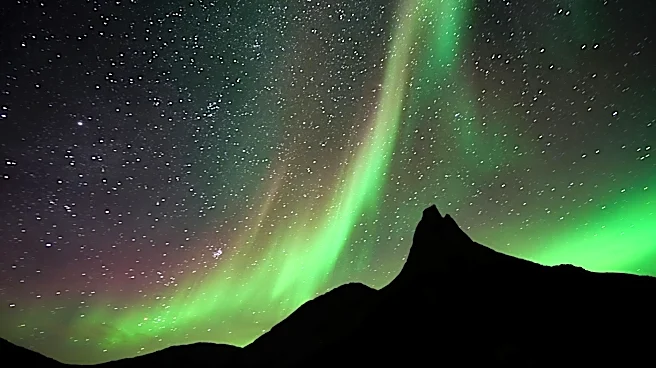
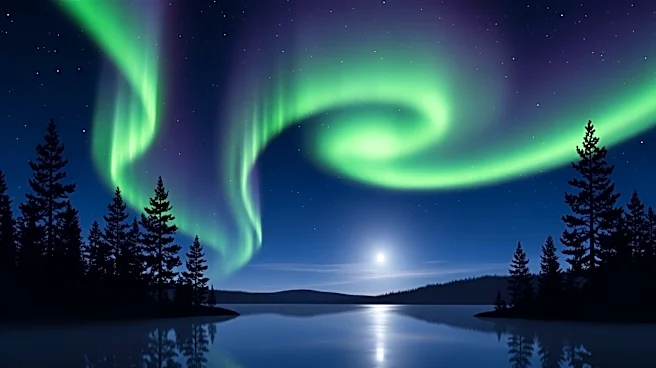
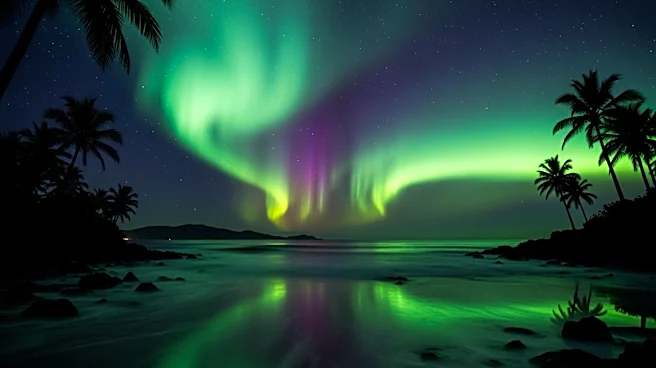
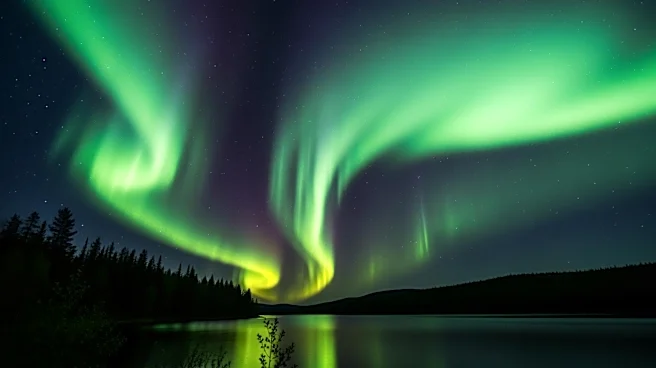
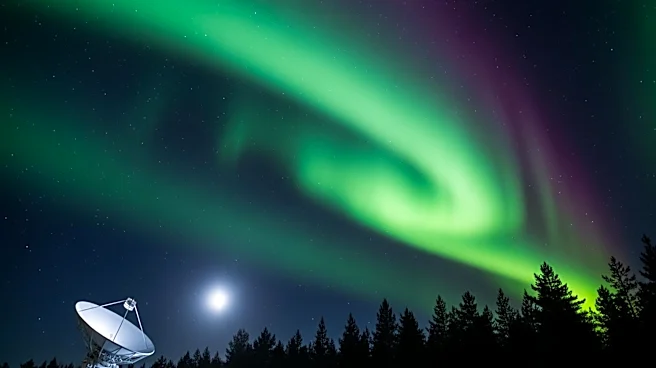
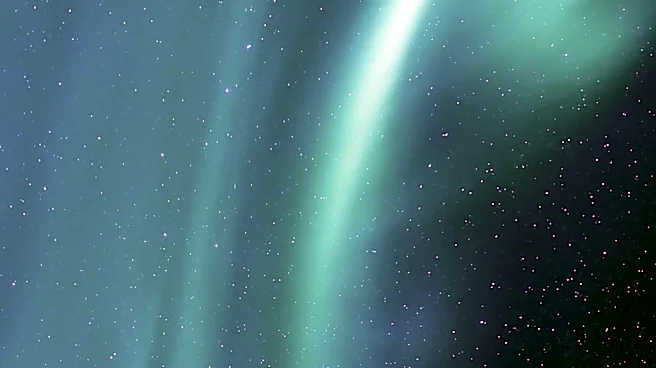
A strong geomagnetic storm is expected to make the Northern Lights visible across parts of the northern United States. This natural phenomenon occurs when charged particles from the sun interact with Earth's
magnetic field, creating colorful displays in the sky. The best viewing times are between 10 p.m. and 2 a.m. in areas with minimal light pollution. While the Northern Lights are typically seen in higher latitudes, this storm could extend visibility to states such as Washington, Oregon, and as far south as Missouri and New Jersey. However, Arizona is too far south to experience this event.
Why It's Important?
The potential visibility of the Northern Lights in more southern U.S. states is a rare opportunity for residents to witness this spectacular natural event. It highlights the dynamic nature of space weather and its impact on Earth. Such events can increase public interest in astronomy and the sciences, encouraging educational opportunities and community engagement. Additionally, the Northern Lights serve as a reminder of the interconnectedness of solar activity and terrestrial phenomena, emphasizing the importance of monitoring space weather for its potential effects on technology and communication systems.
What's Next?
Skywatchers in the affected areas are advised to find locations with dark skies away from city lights to maximize their chances of seeing the Northern Lights. As the geomagnetic storm progresses, updates from space weather monitoring organizations will provide further guidance on viewing conditions. This event may also prompt discussions on the need for increased awareness and preparedness for space weather impacts, particularly as solar activity is expected to increase in the coming years.