
What's Happening?
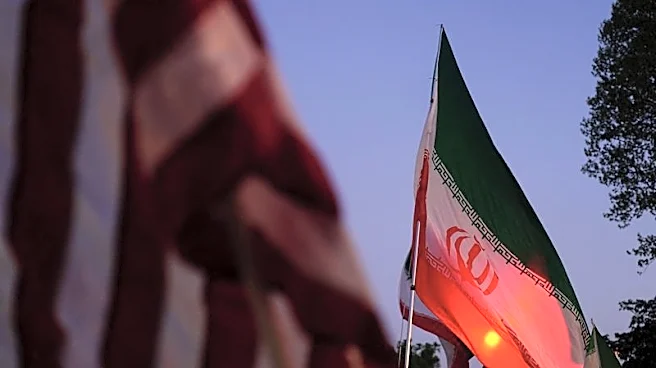
The ongoing conflict between the U.S. and Iran is beginning to impact the U.S. short-term credit markets. Credit spreads have widened, indicating increased risk aversion among investors. The spread between 30-day
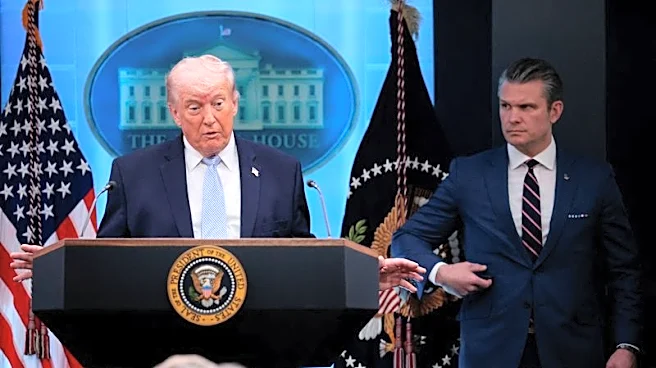
rates on AA-rated non-financial commercial paper and the one-month Secured Overnight Funding Rate has increased, reflecting higher costs for unsecured funding. Analysts note that the commercial paper market, a crucial short-term funding source for corporations and banks, is showing signs of strain. President Trump's ultimatum to Iran regarding the Strait of Hormuz has heightened investor concerns, leading to cautious behavior in the credit markets.
Why It's Important?
The widening credit spreads in the U.S. short-term credit markets signal potential liquidity risks and tightening credit conditions. As the conflict persists, corporations and banks may face higher funding costs, which could impact their financial stability and operations. The commercial paper market is a key barometer of credit health, and its stress could have broader implications for the U.S. economy. Investors are becoming more cautious, which may lead to reduced liquidity and increased volatility in financial markets.
What's Next?
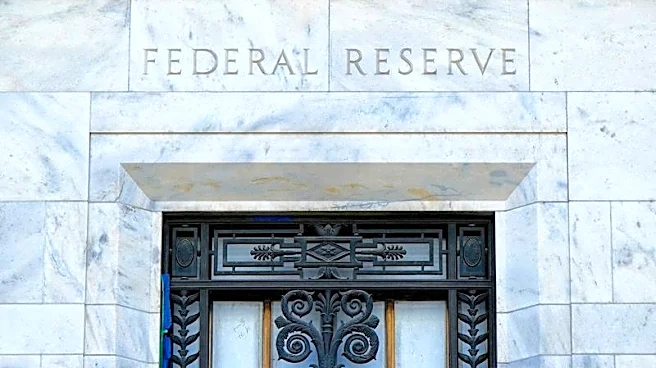
The situation in the credit markets will likely remain tense as long as the conflict between the U.S. and Iran continues. Investors and financial institutions will be closely monitoring developments, particularly any changes in geopolitical tensions that could further impact credit conditions. The Federal Reserve and other financial authorities may need to intervene if liquidity risks escalate, potentially implementing measures to stabilize the markets. The outcome of President Trump's ultimatum to Iran will be a critical factor in determining the future trajectory of the credit markets.