
What's Happening?
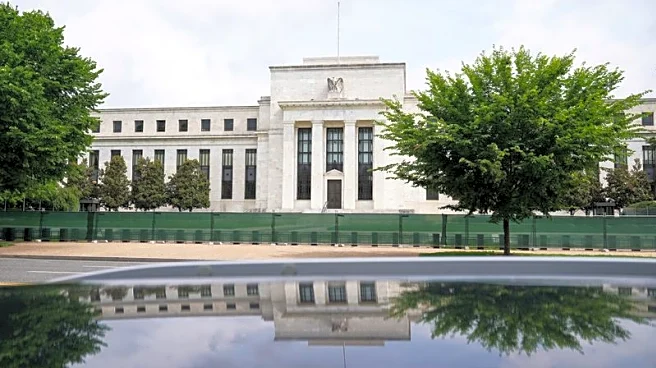
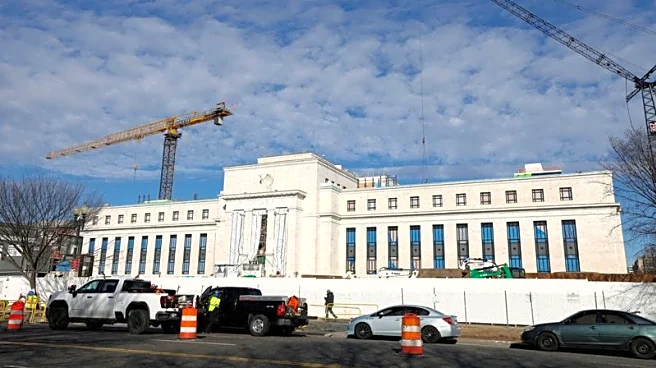
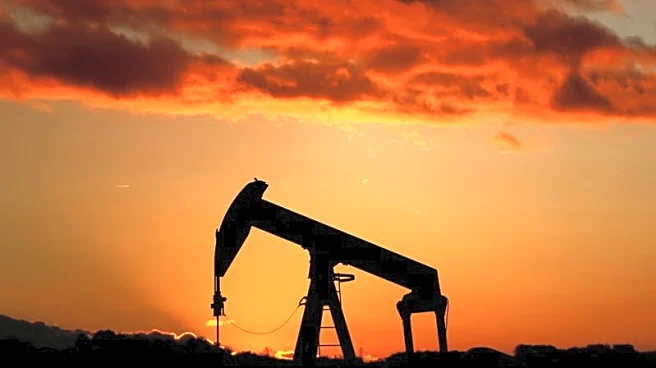
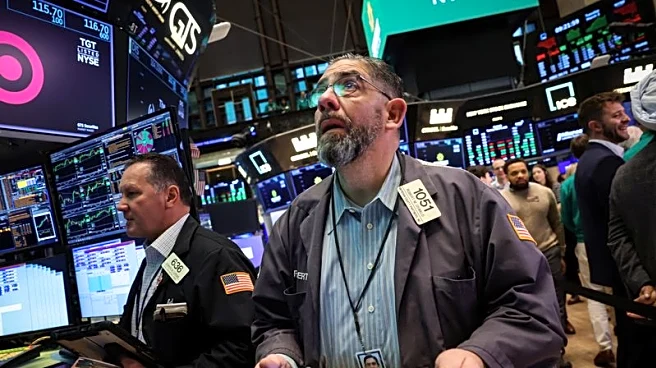
The Federal Reserve is expected to maintain its current interest rates during its upcoming meeting, as economic conditions remain volatile. The decision comes in the wake of a significant rise in oil prices due to the ongoing conflict in Iran, which has
led to increased market volatility. The U.S. job market is also showing signs of weakness, with a loss of 92,000 jobs in February and an unemployment rate increase to 4.4%. This contrasts with the growth seen in January, leading to uncertainty about the economic outlook. Jerome Powell, the current Fed Chair, is set to be replaced by Kevin Warsh, a nominee by President Trump, pending Senate confirmation. Warsh is known for his hawkish stance on monetary policy, which could influence future rate decisions.
Why It's Important?
The Federal Reserve's decision to hold interest rates is crucial as it impacts inflation, borrowing costs, and the job market. With the current economic instability, maintaining steady rates could help control inflation, especially with rising energy costs. The potential leadership change at the Fed could also signal a shift in monetary policy, affecting economic stakeholders. The ongoing conflict in Iran and its impact on oil prices further complicates the economic landscape, posing risks of stagflation. The Fed's actions will be closely watched by businesses and consumers, as they influence financial stability and economic growth.
What's Next?
The Federal Reserve will announce its interest rate decision soon, with market analysts predicting a rate hold. The confirmation of Kevin Warsh as the new Fed Chair could lead to changes in monetary policy, depending on his approach to inflation and interest rates. The ongoing economic challenges, including the conflict in Iran and its impact on oil prices, will continue to be a focus for the Fed. Stakeholders will be monitoring the Fed's quarterly economic projections for insights into future rate decisions and economic outlook.